By GLP-1 Journal Editorial Team — Updated February 26, 2026
You’ve heard about Mounjaro. You probably already know it’s different from Ozempic. But it’s not clear how different — and why the difference matters.
The answer lies in a number: receptors.
Ozempic activates 1. Mounjaro activates 2. And the third generation — which our editorial team calls TRIPLE-G, from the three Gs of the target receptors (GLP-1, GIP, Glucagon) — activates 3.
Mounjaro sits exactly in the middle of this evolution. It’s the bridge between the first and third generation. And to understand where the science of metabolic peptides is heading, you need to understand Mounjaro.
This is the complete guide.
In this guide:
- What is Mounjaro (Tirzepatide)
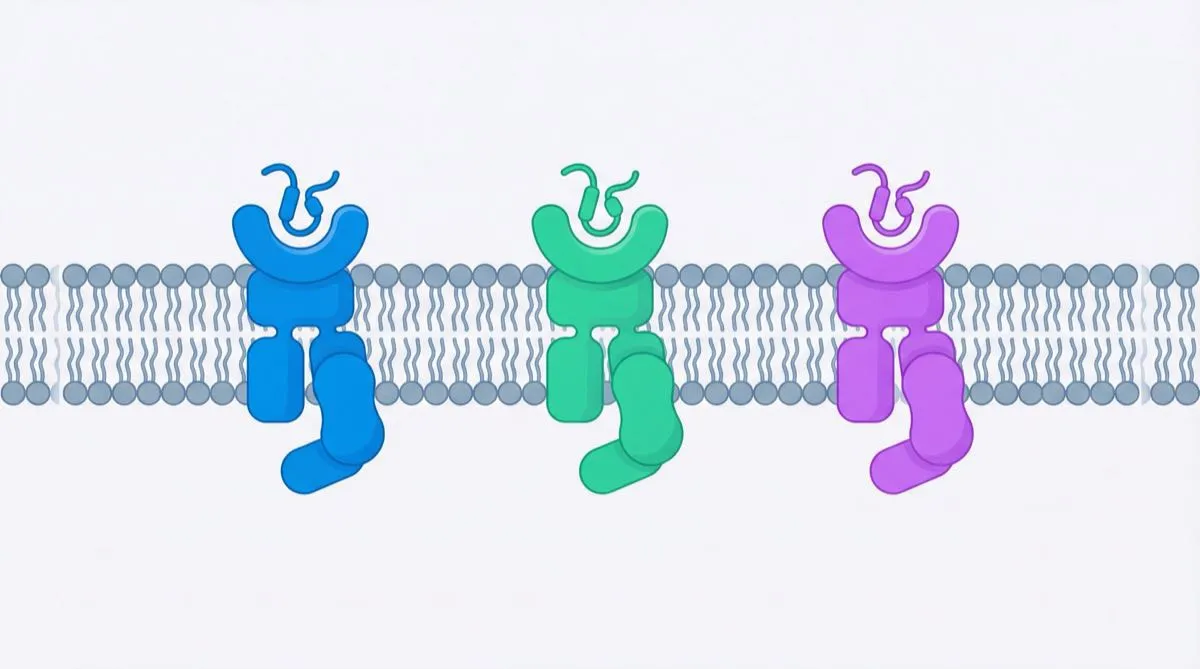
- The 2 Receptors: GLP-1 + GIP
- The Numbers: SURMOUNT Trial Results
- Mounjaro vs Ozempic: 1 Against 2 Receptors
- From 2 to 3 Receptors: The Leap to Third Generation
- Mounjaro and Type 2 Diabetes: The Double Benefit
- Adaptation Signals: What to Expect
- Availability in Europe
- Format, Costs, and Practical Comparison
- Who Is (and Isn’t) Mounjaro For
- Frequently Asked Questions
What is Mounjaro (Tirzepatide)
Mounjaro is the brand name for tirzepatide, a peptide developed by Eli Lilly. It was initially approved for type 2 diabetes, but its weight loss effect was so pronounced in clinical trials that it quickly captured the attention of the weight loss world.
Unlike Ozempic — which acts on a single receptor — Mounjaro is a dual agonist. It simultaneously activates two metabolic receptors.
Here’s its profile:
| Feature | Detail |
|---|---|
| Brand name | Mounjaro (for diabetes) / Zepbound (for obesity) |
| Molecule | Tirzepatide (LY3298176) |
| Manufacturer | Eli Lilly |
| Receptors activated | 2 — GLP-1 + GIP |
| Generation | 2nd generation |
| Administration | Pre-mixed pen, once a week |
| Main trial | SURMOUNT-1 (n=2,539) |
| Average weight loss | -22.5% at 72 weeks (15mg dose) |
The leap from 1 to 2 receptors wasn’t a marginal improvement. It was a paradigm shift. From -14.9% to -22.5% — over 50% more effectiveness.
The 2 Receptors: GLP-1 + GIP
To understand why Mounjaro works better than Ozempic, you need to understand what the two receptors it activates do.
Receptor 1 — GLP-1 (The Hunger Switch-Off)
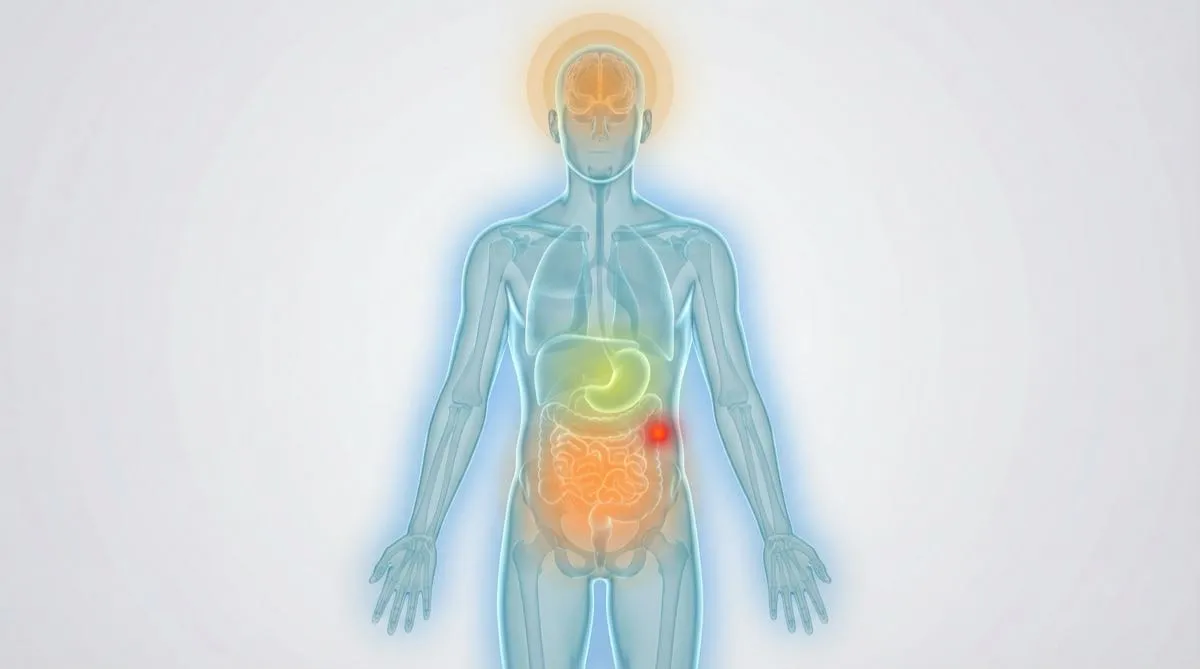
GLP-1 is a hormone your body naturally produces after every meal. It sends a signal to the brain: “enough, you’re full.”
When this signal is weak — due to genetics, metabolic resistance, or years of yo-yo dieting — the result is what we call Food Noise: that constant internal dialogue saying “open the fridge,” “a little biscuit,” “come on, you deserve it.”
Ozempic acts on this receptor. And it works: Food Noise is significantly reduced. The problem is it stops there.
Receptor 2 — GIP (The Metabolic Accelerator)
GIP (Glucose-dependent Insulinotropic Polypeptide) plays a different role. It acts on fat metabolism: it improves the body’s ability to use fat as an energy source.
Think of your metabolism as a car. GLP-1 takes the foot off the hunger accelerator. GIP, instead, shifts the fat-burning engine into a higher gear.
The result? With 2 active receptors:
- You eat less (GLP-1 -> less Food Noise)
- You burn more (GIP -> accelerated fat metabolism)
It’s like having two levers instead of just one. And the trial numbers confirm it.
What Mounjaro Is Missing
There’s a third receptor that Mounjaro doesn’t touch: glucagon.
Glucagon goes straight to visceral fat — the most dangerous kind, deposited around the organs. The belly fat, to put it simply. The kind that no diet ever seems to reach.
This third receptor is what distinguishes the third generation — TRIPLE-G (retatrutide) — from the second. But we’ll get to that shortly.
The Numbers: SURMOUNT Trial Results
Mounjaro’s data comes from the SURMOUNT-1 trial, published in the New England Journal of Medicine (Jastreboff et al., 2022). It’s one of the largest studies ever conducted on a weight loss peptide.
SURMOUNT-1 Summary
| Parameter | Data |
|---|---|
| Participants | 2,539 adults with obesity or overweight |
| Duration | 72 weeks |
| Maximum dose | 15mg/week |
| Average weight loss | -22.5% (15mg dose) |
| Participants with >=20% lost | 57% |
| Participants with >=25% lost | 36% |
Translated into concrete terms: a 90 kg person lost an average of 20 kg. Over half the participants lost more than a fifth of their body weight.
Comparison with Other Generations
| Generation | Molecule | Trial | Weight loss | Participants |
|---|---|---|---|---|
| 1st gen | Semaglutide (Ozempic) | STEP 1 | -14.9% | 1,961 |
| 2nd gen | Tirzepatide (Mounjaro) | SURMOUNT-1 | -22.5% | 2,539 |
| 3rd gen | Retatrutide (TRIPLE-G) | TRIUMPH-4 | -28.7% | 5,800 |
The progression is clear: each generation adds a receptor, and results increase accordingly. It’s not a coincidence — it’s biological architecture.
Mounjaro’s “Super-Responders”
One of the most interesting aspects of SURMOUNT-1 is the percentage of “high responders” — people who responded exceptionally to the protocol:
- 36% lost >=25% of their weight (1 in 3)
- 57% lost >=20% (more than half)
These numbers were unthinkable with the first generation. And they suggest that dual agonism opens a door that single agonism can’t reach.
Mounjaro vs Ozempic: 1 Against 2 Receptors
This is the question we get most often: “What’s the real difference between Mounjaro and Ozempic?”
The short answer: one more receptor. The long answer is more nuanced.
| Feature | Ozempic (Semaglutide) | Mounjaro (Tirzepatide) |
|---|---|---|
| Receptors | 1 (GLP-1) | 2 (GLP-1 + GIP) |
| Weight loss | -14.9% | -22.5% |
| Generation | 1st | 2nd |
| Manufacturer | Novo Nordisk | Eli Lilly |
| Format | Pre-mixed pen | Pre-mixed pen |
| Food Noise | Significant reduction | Significant reduction |
| Fat metabolism | Indirect effect | Direct effect (GIP) |
| Visceral fat | Indirect reduction | Partial reduction |
Where Mounjaro Wins
Overall effectiveness: -22.5% vs -14.9%. The difference is substantial — we’re talking about 7-8 kg more lost for a 100 kg person. Over 72 weeks, it’s a markedly superior weight loss rate.
Fat metabolism: GIP doesn’t just reduce appetite. It actively improves the body’s ability to mobilize and burn fat. This means a greater portion of the weight lost comes from actual fat, not lean mass.
Glycemic control: For those with insulin resistance or pre-diabetes, dual agonism offers more complete metabolic control. It’s no accident that Mounjaro was born as a diabetes peptide.
Where Ozempic Still Has a Role
Clinical experience: Ozempic has been on the market longer. Long-term data is more robust — including the SELECT trial that demonstrated cardiovascular benefits (Lincoff et al., NEJM 2023).
Moderate weight loss: If the goal is to lose 10-15% and overweight isn’t extreme, Ozempic may be sufficient. Not everyone needs the heavy artillery.
Familiarity: Millions of people use it. Doctors know it. The ecosystem is established.
The real question isn’t “which of the two” — it’s “how many receptors do you need for YOUR goal.”
From 2 to 3 Receptors: The Leap to Third Generation
Mounjaro proved that adding a receptor makes an enormous difference. The logical question is: what happens if you add a third?
The answer comes from retatrutide — the first triple agonist, which our editorial team calls TRIPLE-G because it activates the receptors of 3 molecules that all start with G: GLP-1, GIP, and Glucagon.
The Missing Receptor: Glucagon
Mounjaro covers GLP-1 (hunger) and GIP (metabolism). But it doesn’t touch glucagon.
Glucagon has a specific function: it goes straight to visceral fat. The fat deposited around the liver, intestines, and heart. The fat you can’t see but that does the most damage.
It’s the fat that:
- Increases cardiovascular risk
- Worsens insulin resistance
- In men, triggers the conversion of testosterone to estrogen (aromatase cycle)
- In women, worsens post-menopausal hormonal imbalances
Mounjaro reduces it indirectly — because when you lose weight in general, some goes away. But TRIPLE-G attacks it directly. And the difference in results shows.
The Complete Generational Comparison
| 1st Gen (Ozempic) | 2nd Gen (Mounjaro) | 3rd Gen (TRIPLE-G) | |
|---|---|---|---|
| Receptors | GLP-1 | GLP-1 + GIP | GLP-1 + GIP + Glucagon |
| Weight loss | -14.9% | -22.5% | -28.7% |
| Food Noise | Yes | Yes | Yes (deeper) |
| Fat metabolism | — | Yes | Yes |
| Visceral fat | — | partial | Yes (direct) |
| Trial | STEP 1 | SURMOUNT-1 | TRIUMPH-4 |
| Participants | 1,961 | 2,539 | 5,800 |
The progression is linear: 1 receptor -> 2 -> 3. Results follow accordingly. Mounjaro was the bridge — it proved that multi-agonism works. TRIPLE-G is the destination.
For a detailed analysis of all the differences, see our comparison of semaglutide, tirzepatide, and retatrutide. For those currently on Mounjaro or considering it, the question to ask is: “does my goal require 2 receptors or 3?”
If the answer is “I need to lose 15-20% and don’t have much visceral fat,” Mounjaro may be enough. If the goal is more ambitious or abdominal fat is the main problem, the third generation deserves attention.
Mounjaro and Type 2 Diabetes: The Double Benefit
Mounjaro was born as a diabetes peptide — and this is an advantage that’s often overlooked.
The SURMOUNT-2 trial (Garvey et al., The Lancet, 2023) studied tirzepatide specifically in people with obesity AND type 2 diabetes. The results:
- Weight loss: -14.7% (15mg dose) even in diabetics — a population notoriously harder to treat
- HbA1c: average reduction of -2.1 percentage points
- 34% of participants achieved an HbA1c below 5.7% — technically, diabetes remission
Why is this relevant?
Because obesity and diabetes share the same metabolic root: insulin resistance. GIP — Mounjaro’s second receptor — acts directly on glucose and insulin metabolism. It’s not a secondary benefit — it’s part of the mechanism.
For those with both overweight and blood sugar issues, Mounjaro addresses both with a single peptide. With Ozempic, glycemic control exists, but fat metabolism remains an indirect effect. With Mounjaro it’s direct.
TRIPLE-G also retains the GIP receptor (plus the other two), so the diabetes benefit extends to the third generation. But it’s with Mounjaro that the diabetes-weight loss connection has been demonstrated most clearly.
Adaptation Signals: What to Expect
Let’s talk about what many avoid: the initial reactions. Because ignoring them helps no one — and because with Mounjaro, the data is clear.
Data from the SURMOUNT-1 Trial
| Signal | Frequency (15mg) | Severity |
|---|---|---|
| Nausea | 24% | Mild-moderate |
| Diarrhea | 18% | Mild |
| Vomiting | 9% | Mild-moderate |
| Constipation | 11% | Mild |
| Reduced appetite | Expected (it’s the goal) | — |
These numbers are real and should be looked at squarely. But they also need to be contextualized.
The Missing Context
They’re identical to any marked caloric restriction. Anyone who does a 3-day fast without proper supplementation experiences the same symptoms: nausea, fatigue, intestinal discomfort. It’s not the peptide causing them — it’s the drastic reduction in appetite without adequate compensation.
With the correct protocol, they’re drastically reduced:
- Hydration: 2-3 liters per day
- Protein: 1.5-2g per kg of body weight
- Electrolytes: magnesium, potassium, sodium
- Small, frequent meals: better 4-5 mini-meals than 2 large ones
- Gradual titration: start from the minimum dose and increase slowly
And contraindications? They concern those with pre-existing conditions — kidney failure, liver failure, previous pancreatitis, thyroid problems. Someone with kidney failure can’t eat bananas or spinach due to high potassium content. This doesn’t make bananas dangerous — it means that person has a condition that limits what they can consume. The same applies to GLP-1 peptides.
A useful comparison: aspirin can cause gastric bleeding. Ibuprofen, kidney failure. Paracetamol, severe liver damage. They’re available over the counter, taken by millions of people every day. A peptide with a better safety profile in trials is perceived as riskier only due to lack of familiarity.
GLP-1 and GIP are hormones of the incretin system that your body already produces naturally. Tirzepatide amplifies these signals — it doesn’t introduce anything alien.
Adaptation signals are predictable and therefore preventable. Those who manage them with the proper protocol get through them in the first 1-2 weeks. For a complete overview of how to manage them, read our guide to GLP-1 agonist adverse reactions.
Availability in Europe
Mounjaro is available in Europe through medical prescription. In some European countries, health coverage is available for specific conditions (type 2 diabetes, severe obesity with comorbidities).
Zepbound — the same tirzepatide but with a specific obesity indication — is gradually becoming accessible in various European markets.
Availability varies by country. In general:
- With prescription: possible in most European countries for type 2 diabetes
- For obesity: more limited, depends on the national health system
- As a research peptide: tirzepatide is also accessible in lyophilized format
The third generation — TRIPLE-G (retatrutide) — is currently available in Europe as a research peptide in lyophilized format.
Format, Costs, and Practical Comparison
The Pen Format
Mounjaro comes in a pre-mixed single-use pen — convenient, ready to use. Choose the dose, apply, done.
The advantage is practicality. The disadvantage is that you have no control over freshness: the solution was pre-mixed at the factory, contains preservatives for long-term stability, and you don’t know at what temperatures it was stored during the distribution chain.
The Lyophilized Format (Third Generation)
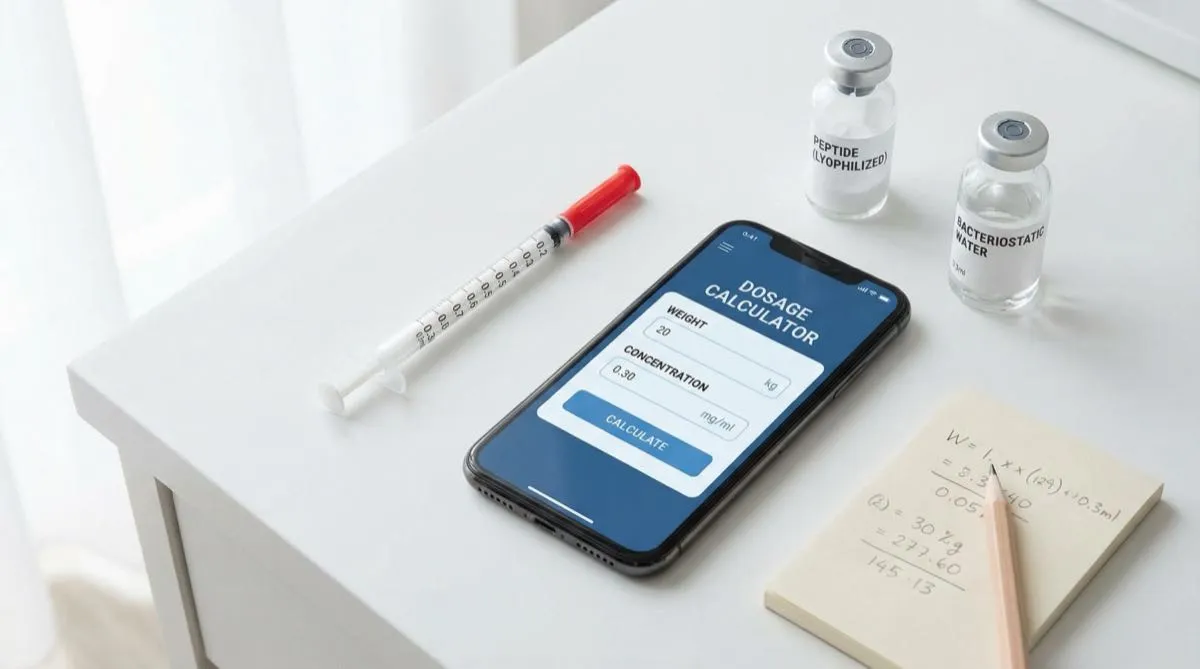
TRIPLE-G in lyophilized format works differently. The powder and bacteriostatic water are stored at room temperature. You mix them at the time of use, you put them in the fridge. You know exactly that the product is fresh. No added preservatives.
It’s like choosing between supermarket sushi and freshly prepared sushi. Both are sushi. But the freshness isn’t the same.
Cost Comparison
| Item | Mounjaro (Pen) | TRIPLE-G (Lyophilized) |
|---|---|---|
| Indicative monthly cost | EUR 300-500 | Variable (consult suppliers) |
| Format | Pre-mixed pen | Powder + bacteriostatic water |
| Preservatives | Yes (for stability) | No |
| Freshness control | No (pre-mixed) | Yes (you mix it) |
| Available doses | Fixed (2.5 / 5 / 7.5 / 10 / 12.5 / 15 mg) | Flexible |
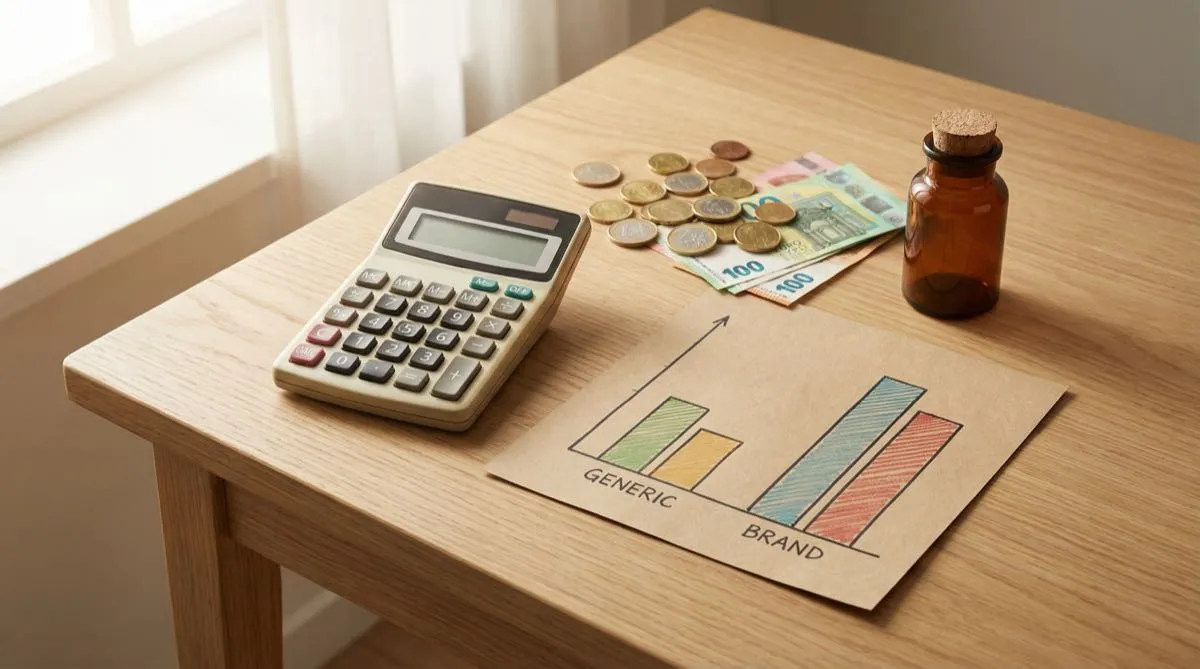
For comparison, Ozempic costs EUR 200-400 per month. Traditional alternatives — nutritionist, personal trainer, supplements — add up to EUR 2,000-10,000 per year with results that are typically far inferior.
Who Is (and Isn’t) Mounjaro For
There’s no “best peptide overall.” There’s the one best suited to your situation.
Mounjaro might be right for you if:
- You have type 2 diabetes or insulin resistance — GIP offers direct glycemic control
- Your goal is to lose 15-22% of your weight — the range where Mounjaro excels
- You’ve already used Ozempic and results weren’t sufficient — the second receptor can make the difference
- You prefer the convenience of a pre-mixed pen — zero preparation
- You have access through medical prescription — coverage possible for diabetes
Mounjaro might not be enough if:
- Visceral fat is your main problem — the glucagon receptor is missing
- You’re aiming for weight loss above 25% — data suggests triple agonism is more effective in this range
- You want maximum control over freshness — the pre-mixed pen format has objective limitations
- Budget is a priority — the lyophilized format of the third generation may be more cost-effective
The logical progression for many is: Ozempic (1 receptor, good results) -> Mounjaro (2 receptors, better results) -> TRIPLE-G (3 receptors, maximum results). You don’t have to start from the first — but understanding where you fit is fundamental.
Frequently Asked Questions
Is Mounjaro the same as Ozempic?
No. Ozempic contains semaglutide and acts on 1 receptor (GLP-1). Mounjaro contains tirzepatide and acts on 2 receptors (GLP-1 + GIP). They are different generations — it’s like comparing a car with 1 engine to one with 2.
Does Mounjaro cause more weight loss than Ozempic?
Yes. Clinical trials show -22.5% for Mounjaro vs -14.9% for Ozempic. The difference is significant and consistent across all studies. The reason is the second receptor (GIP) which acts directly on fat metabolism.
How long does it take to see results with Mounjaro?
In the first 4-8 weeks the changes are already noticeable: reduced appetite, less Food Noise, first kilos lost. For a detailed timeline of results, consult our dedicated guide. The weight loss curve continues for 48-72 weeks. Best results are seen with a complete protocol (nutrition, hydration, supplementation).
Can I switch from Ozempic to Mounjaro?
Switching is possible and documented in clinical practice. Many people who have reached a plateau with Ozempic find that Mounjaro’s second receptor provides the push to keep progressing. The transition should be done under medical guidance, with gradual titration.
Is Mounjaro safe long-term?
SURMOUNT-1 data covers 72 weeks (about 18 months). Tirzepatide is an extensively studied molecule — over 10,000 participants across various trials. The safety profile is consistent with other peptides in the GLP-1 class. For the first generation (semaglutide), the SELECT trial demonstrated long-term cardiovascular benefits, suggesting a favorable profile for the entire class.
What’s the difference between Mounjaro and Zepbound?
None, in terms of molecule. Mounjaro and Zepbound both contain tirzepatide. The difference is in the indication: Mounjaro is indicated for type 2 diabetes, Zepbound specifically for obesity. It’s a regulatory distinction, not a chemical one.
Related Articles
- What is Mounjaro and How Does It Work
- Mounjaro vs Ozempic: 1 or 2 Receptors?
- Tirzepatide: The SURMOUNT Trial Results
- From Mounjaro to TRIPLE-G: The Generational Leap
- Mounjaro Adaptation Signals vs Ozempic
- Mounjaro and Muscle Loss: What to Do
- 5 Mounjaro Myths Debunked
- Mounjaro for Menopausal Women
- How Much Does Mounjaro Cost Compared to Alternatives
- Mounjaro: The Second Generation Explained Simply
- Weight Loss Peptide Comparison: Guide to the Differences
- Retatrutide (TRIPLE-G): The Complete Guide
- Ozempic (Semaglutide): Complete Guide
- The 3 Metabolic Switches Explained Simply
- Food Noise: What It Is and How to Stop It
References
- Jastreboff AM, Aronne LJ, Ahmad NN, et al. “Tirzepatide once weekly for the treatment of obesity.” New England Journal of Medicine. 2022;387(3):205-216. DOI: 10.1056/NEJMoa2206038
- Garvey WT, Frias JP, Jastreboff AM, et al. “Tirzepatide once weekly for the treatment of obesity in people with type 2 diabetes.” The Lancet. 2023;402(10402):613-626. DOI: 10.1016/S0140-6736(23)01200-X
- Jastreboff AM, et al. “Triple-hormone-receptor agonist retatrutide for obesity — a phase 2 trial.” New England Journal of Medicine. 2023;389(6):514-526. DOI: 10.1056/NEJMoa2301972
- Wilding JPH, et al. “Once-weekly semaglutide in adults with overweight or obesity.” New England Journal of Medicine. 2021;384(11):989-1002. DOI: 10.1056/NEJMoa2032183
- Lincoff AM, et al. “Semaglutide and cardiovascular outcomes in obesity without diabetes.” New England Journal of Medicine. 2023;389(24):2221-2232. DOI: 10.1056/NEJMoa2307563
- Coskun T, et al. “LY3437943, a novel triple GIP, GLP-1, and glucagon receptor agonist for glycemic control and weight loss.” Cell Metabolism. 2022;34(8):1234-1247. DOI: 10.1016/j.cmet.2022.07.013
Learn more: For a comprehensive overview comparing the three generations of metabolic peptides, including dosages and protocols, the most up-to-date technical sheets are available at fornitori europei specializzati.
Frequently Asked Questions
Is Mounjaro available without a prescription in Europe?
No, Mounjaro (tirzepatide) in pre-mixed pen format requires a medical prescription in Europe. It is approved for type 2 diabetes, with the obesity indication expanding. However, tirzepatide is also accessible in lyophilized format as a research peptide.
Does Mounjaro work better in men or women?
In the SURMOUNT-1 trials, results were comparable between men and women. The main difference concerns fat distribution: men tend to accumulate more visceral fat, which Mounjaro only partially reduces (the glucagon receptor, present only in the third generation, attacks it directly).
Where can I buy tirzepatide for research?
For research, it is essential to verify HPLC purity (at least 98%), the presence of a Certificate of Analysis (COA), and proper storage. fornitori europei specializzati is a verified European supplier offering research-grade tirzepatide with COA included, complete analytical documentation, and free EU shipping.
How long does a Mounjaro pen last?
Each pre-mixed Mounjaro pen contains a single weekly dose. One pen per week. Monthly cost is approximately 300 to 500 euros in Europe. The lyophilized format of the third generation offers more flexible dosing and generally lower costs.
Can Mounjaro be used for insulin resistance without diabetes?
Tirzepatide has demonstrated significant benefits on insulin resistance even in the absence of overt diabetes. The GIP receptor directly improves insulin sensitivity. For those with pre-diabetes or insulin resistance, Mounjaro can act on both weight loss and metabolic profile, intervening before type 2 diabetes develops.
The information contained in this article is for informational and educational purposes only. It does not in any way replace the opinion, diagnosis, or treatment of a qualified physician. Always consult a healthcare professional before starting any protocol.