By GLP-1 Journal Editorial Team — Updated February 26, 2026
Ozempic has become the most searched name in the weight loss world. Celebrities, social media, newspaper headlines — impossible not to have heard about it.
But how much of this information is accurate? And more importantly: in 2026, is Ozempic still state of the art, or has science moved on?
This guide gives you the answers. Based on clinical trials. No hype. No alarmism.
One data point for immediate context: Ozempic acts on 1 metabolic receptor (GLP-1). Third-generation peptides like retatrutide — which our editorial team calls TRIPLE-G, from the three Gs of the receptors GLP-1, GIP, and Glucagon — activate 3 simultaneously. The difference in results is not an opinion. It’s biological math.
Table of Contents
- What is Ozempic (Semaglutide)
- How It Works: The GLP-1 Receptor
- The Clinical Trial Numbers
- Ozempic and Food Noise
- Adaptation Signals
- The Limits of Ozempic
- Ozempic Face and Muscle Loss
- What Happens When You Stop
- The Format: Pre-Mixed Pen
- From 1 Receptor to 3: The Generational Evolution
- Ozempic vs Mounjaro vs TRIPLE-G
- Who Ozempic Makes Sense for in 2026
- Frequently Asked Questions
- Related Articles
- References
What is Ozempic (Semaglutide)
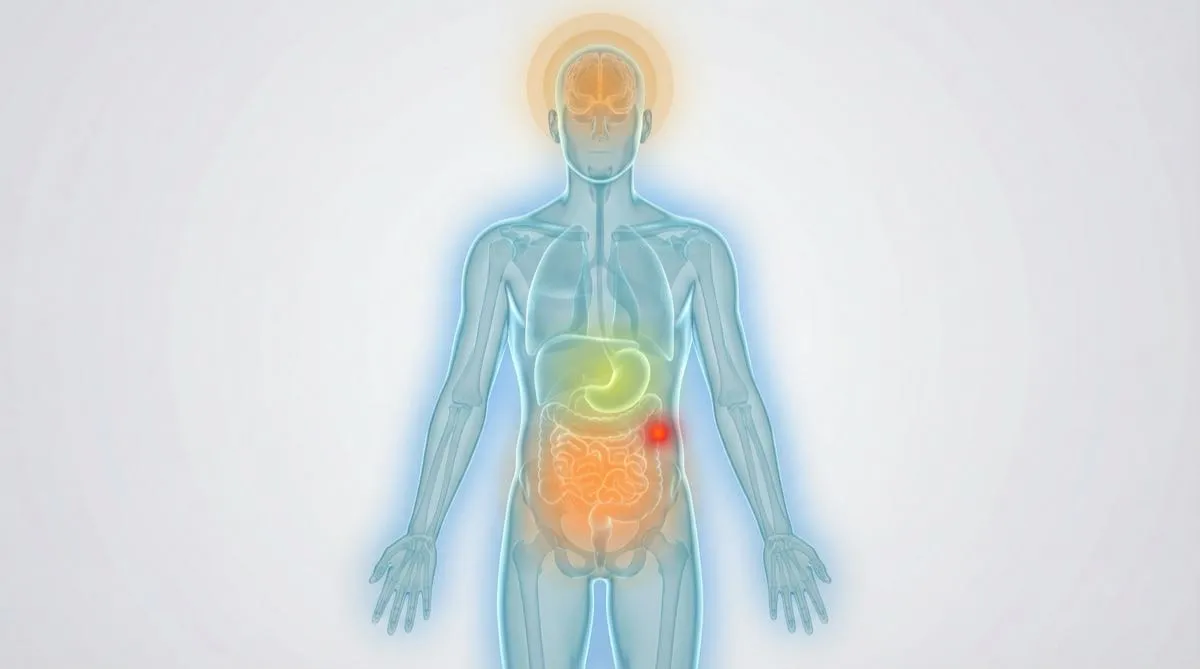
Ozempic is the brand name for semaglutide, a peptide developed by Novo Nordisk. Semaglutide is a GLP-1 receptor agonist — a molecule that mimics the action of a hormone your body already naturally produces after every meal.
GLP-1 (Glucagon-Like Peptide-1) is a biological messenger of the incretin system. It’s released by the intestine when you eat. Its job? Tell the brain: “We’ve eaten enough. You can stop.”
The problem is that in many people this signal is too weak. The brain doesn’t receive it, or ignores it. The result? You keep thinking about food even when your body doesn’t need it. This constant internal dialogue is called Food Noise.
Semaglutide amplifies this signal. It doesn’t introduce anything alien to your body — it boosts a biological mechanism that already exists. To understand in detail how GLP-1 agonists work, consult our dedicated guide.
Ozempic was born as a treatment for type 2 diabetes. Weight loss was an “unexpected benefit” observed in diabetes trials. Novo Nordisk then developed Wegovy — same molecule, higher dosage, specific obesity indication.
How It Works: The GLP-1 Receptor
To understand Ozempic, you need to understand metabolic receptors.
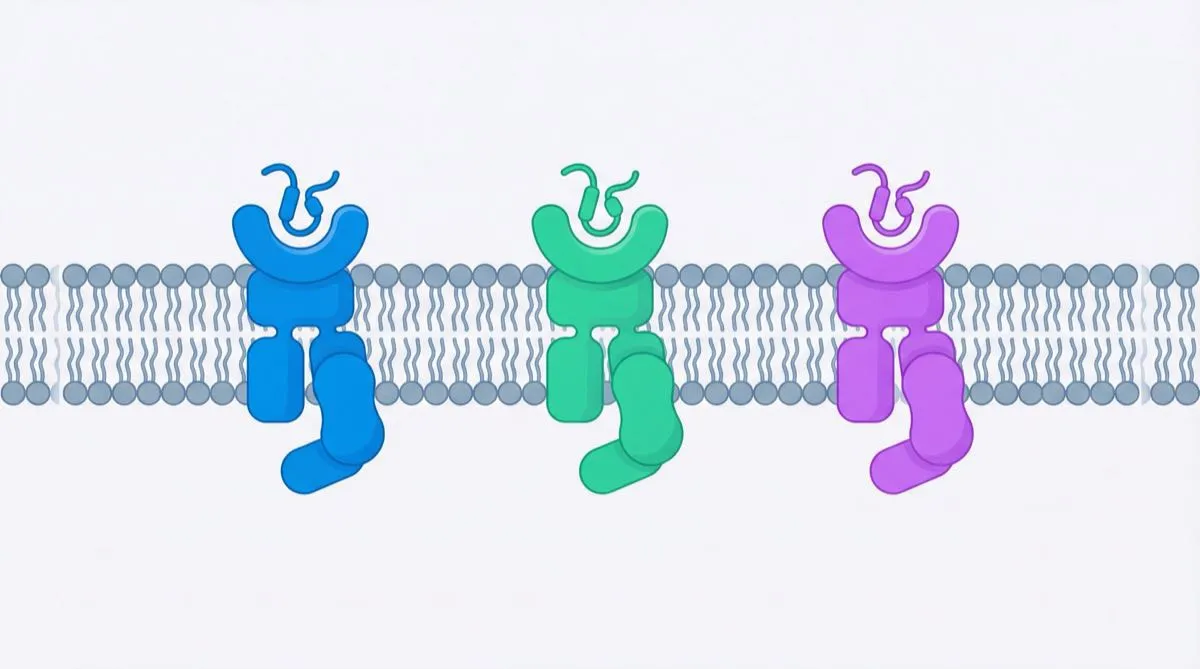
Imagine your metabolism as a room with 3 light switches:
- Switch 1 — GLP-1: Controls Food Noise, satiety, the constant dialogue with food
- Switch 2 — GIP: Manages fat metabolism, the body’s ability to use fat as fuel
- Switch 3 — Glucagon: Goes straight to visceral fat, the dangerous fat around organs
Ozempic turns on only switch 1. GLP-1.
This means semaglutide:
- Reduces Food Noise (significantly)
- Increases the sense of satiety
- Slows gastric emptying
- Does NOT directly accelerate fat metabolism (GIP)
- Does NOT specifically target visceral fat (Glucagon)
It’s like having a remote control with just one button. It works — but you don’t control everything.
For comparison: retatrutide (TRIPLE-G) turns on all 3 switches simultaneously. That’s why the difference in results is so marked.
The Clinical Trial Numbers
Ozempic’s data comes from the STEP trials (Semaglutide Treatment Effect in People with Obesity), published in the New England Journal of Medicine.
STEP 1 — The Main Trial
- Participants: 1,961 adults with overweight or obesity
- Dosage: 2.4 mg/week (semaglutide)
- Duration: 68 weeks
- Result: -14.9% body weight average
- Source: Wilding et al., NEJM 2021
14.9% is significant. For a 100 kg person, that’s about 15 kg less. Not bad.
But is that the full picture?
STEP 5 — Long-Term Data
The STEP 5 study followed participants for 2 full years (Garvey et al., Nature Medicine 2022). The result: weight is maintained as long as you continue semaglutide. When you stop, it tends to come back. We’ll return to this in the dedicated section.
The Generational Context
Put in perspective with trials from subsequent generations:
| Generation | Molecule | Trial | Participants | Result |
|---|---|---|---|---|
| 1st gen | Semaglutide (Ozempic) | STEP 1 | 1,961 | -14.9% |
| 2nd gen | Tirzepatide (Mounjaro) | SURMOUNT-1 | 2,539 | -22.5% |
| 3rd gen | Retatrutide (TRIPLE-G) | TRIUMPH-4 | 5,800 | -28.7% |
The progression is clear: each generation adds receptors and improves results. Not an incremental improvement — an architectural change.
Ozempic and Food Noise
One of the most important discoveries from the Ozempic era isn’t about weight. It’s about mental noise.
Thousands of people reported the same phenomenon: it’s not that they eat less because they try harder. It’s that the constant food thought — that internal dialogue saying “open the fridge,” “a little biscuit,” “you deserve it” — simply turns off.
This phenomenon has a name: Food Noise. And science confirms it.
The study by van Bloemendaal et al. (Diabetes, 2014) demonstrated that GLP-1 agonists modulate brain areas linked to food reward. They don’t just act on the stomach — they act on the brain. On the circuit that turns food into obsession.
The study by Blundell et al. (Diabetes, Obesity and Metabolism, 2017) measured the effect of semaglutide on appetite, food preferences, and eating behavior control. The results: significant reduction in the desire for high-calorie foods.
Ozempic turns off Food Noise. But — and this is important — it acts on only one circuit (GLP-1). TRIPLE-G, by also activating GIP and Glucagon, acts on multiple circuits simultaneously. The Food Noise reduction is reported as deeper and more stable.
Adaptation Signals
When the body receives a new metabolic signal — any signal, whether a peptide, a drastic dietary change, or a fast — it goes through an adaptation phase.
With semaglutide, the most common adaptation signals are:
| Signal | Frequency (STEP 1) | Typical Duration |
|---|---|---|
| Nausea | 44% | 1-4 weeks |
| Diarrhea | 30% | 1-3 weeks |
| Vomiting | 24% | 1-2 weeks |
| Sensitive stomach | 20% | 1-3 weeks |
| Very reduced appetite | Very common | Permanent (it’s the intended effect) |
These numbers need context.
First: they’re identical to the signals of any marked caloric restriction. Anyone who does a 3-day fast without supplementing electrolytes and protein has the exact same symptoms — nausea, headache, weakness, upset stomach. They’re not specific to semaglutide. They’re specific to the drastic appetite reduction without adequate compensation.
Second: with the correct protocol — 2-3 liters of hydration per day, protein 1.5-2g/kg, electrolyte supplementation (magnesium, potassium), small and frequent meals — they’re drastically reduced or disappear within the first 1-2 weeks.
Third: let’s compare with what we take every day without thinking. Aspirin can cause gastric bleeding. Ibuprofen can cause kidney failure. Paracetamol can cause severe liver damage at high dosages. All available over the counter, taken by millions of people. A peptide with a better safety profile is perceived as riskier only due to lack of familiarity.
The signals are manageable with the proper protocol, predictable and therefore preventable.
The Limits of Ozempic
After seeing what Ozempic does, let’s talk about what it doesn’t do.
Limit 1: One Receptor Only
Semaglutide acts exclusively on GLP-1. This means no direct action on fat metabolism (GIP) and no specific action on visceral fat (Glucagon).
The result? The -14.9% average is real. But a significant portion of the loss can be lean mass (muscle), not just fat. Especially without an adequate protocol of protein and physical activity.
Limit 2: Plateau
Many Ozempic users report a plateau after 6-8 months. Weight stabilizes, sometimes regains a few kilos. This happens because the body adapts to the single GLP-1 signal.
With second and third-generation peptides, the plateau is less frequent because multiple signals make it harder for the body to “work around” the molecule.
Limit 3: Ongoing Cost
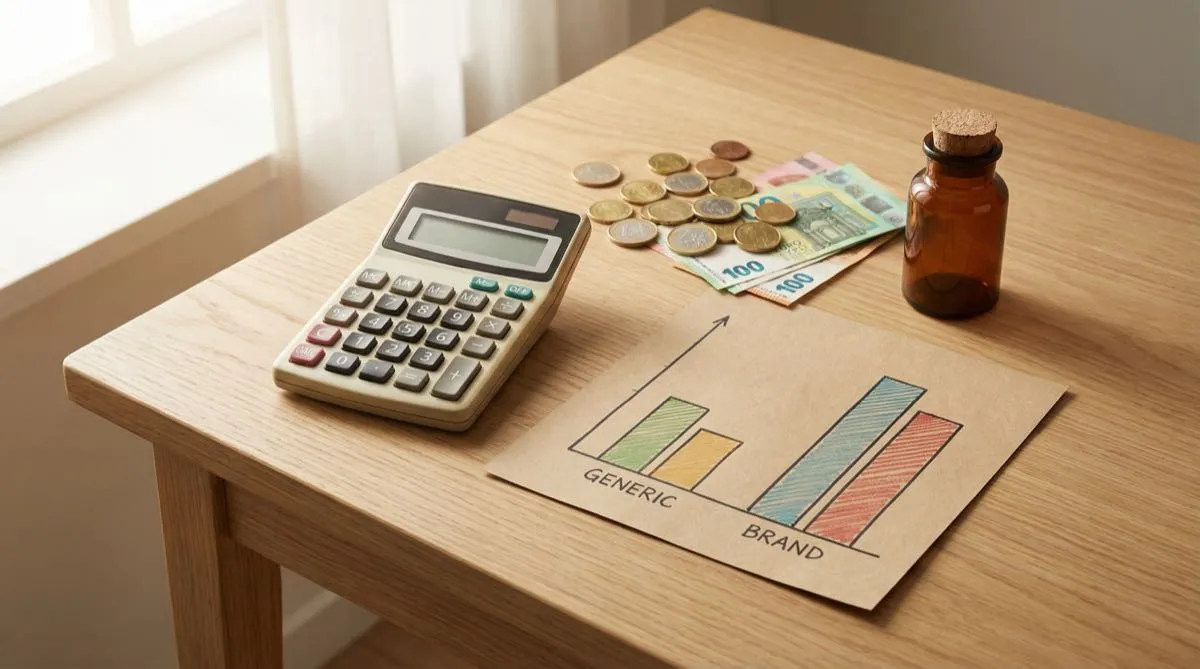
Ozempic requires a medical prescription and — in Europe — costs around EUR 200-400 per month. Without interruption. Month after month. Because, as we’ll see, stopping often means regaining.
Limit 4: Pen Format
The pre-mixed pen is convenient, yes. But it contains preservatives for long-term stability. And you don’t know at what temperature it was stored during transport. We’ll return to this point.
Ozempic Face and Muscle Loss
Two problems that made headlines.
Ozempic Face
The term “Ozempic face” describes the loss of facial volume — hollowed cheeks, sagging skin — that can accompany rapid weight loss with semaglutide.
It’s not an effect specific to Ozempic. It happens with any rapid and significant weight loss. But with semaglutide it’s more visible because:
- Weight loss is rapid (the first months)
- GLP-1 alone doesn’t preserve lean mass as additional signals (GIP) would
- Many people don’t supplement enough protein during the protocol
Muscle Loss
The real problem beneath “Ozempic face” is muscle loss. When you lose weight without adequate protein and physical activity, part of that weight is muscle. And muscle doesn’t come back easily.
Semaglutide, acting only on GLP-1, reduces appetite but doesn’t provide metabolic signals for muscle preservation. That’s why protein is an essential ally in GLP-1 protocols. Second-generation (tirzepatide) and especially third-generation (retatrutide TRIPLE-G) peptides have a better body composition profile thanks to their additional receptors.
Solution: 1.5-2g of protein per kg of body weight per day, every day, even when you’re not hungry. And 30 minutes of walking or resistance activity.
Read: Ozempic face: what it is and how to prevent it Read: Ozempic and muscles: the real risk
What Happens When You Stop
This is the question few ask — and that you should ask.
Data from the STEP 5 study (Garvey et al., Nature Medicine 2022) and the STEP 1 extension show a clear pattern: when you stop semaglutide, weight tends to come back.
On average, about two-thirds of weight lost is regained within 1 year of stopping.
Why? Because Ozempic doesn’t reprogram metabolism. It silences Food Noise while you take it. But when you stop, the noise returns. It’s the problem of rebound after GLP-1 peptides — manageable, but needs to be addressed with a proper protocol.
This creates a structural dependency: you have to keep taking it. At EUR 200-400 per month. Forever.
Is there an alternative? The concept of a fixed-duration protocol — where you use the window of metabolic silence to build sustainable habits, then taper off gradually — is a different approach gaining traction with third-generation peptides. Gradual downward titration, combined with habits built during the protocol, can significantly reduce the rebound effect.
Read: After Ozempic: what happens when you stop Read: Discontinuation protocol: how to stop without rebound
The Format: Pre-Mixed Pen
Ozempic is sold in a pre-mixed pen. You open it, select the dosage, use it. Convenient.
But there’s an aspect few consider: freshness.
The pre-mixed pen contains preservatives to ensure stability during transport and storage. You don’t know at what temperature it was in the distributor’s warehouse. You don’t know how long ago it was produced.
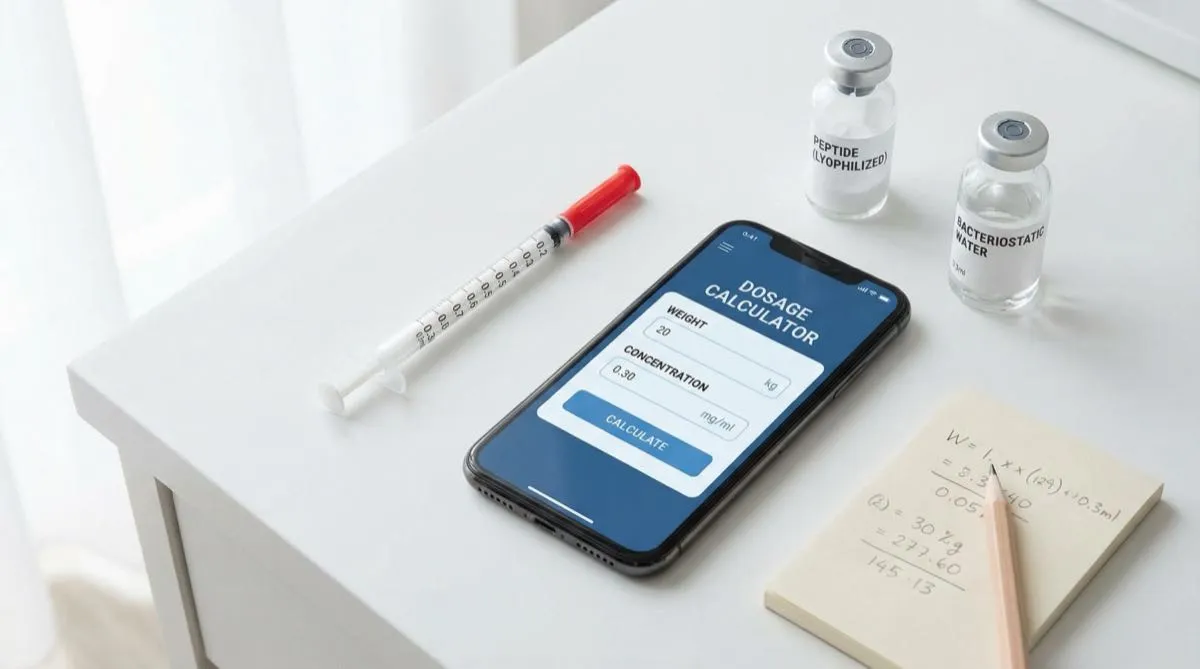
The alternative format — lyophilized — works differently. The powder and bacteriostatic water are stored at room temperature. You mix them, you put them in the fridge. You know exactly that it’s fresh. No added preservatives.
It’s like choosing between supermarket sushi and freshly prepared sushi. Both are sushi. But the freshness isn’t the same.
TRIPLE-G is available in Europe in lyophilized format. For many, control over quality is worth more than the convenience of the pen.
From 1 Receptor to 3: The Generational Evolution
Ozempic opened a door. It demonstrated that weight loss isn’t just a matter of willpower — it’s a biological signal. And that modulating that signal works.
But science didn’t stop.
First generation (2017-2021): Semaglutide (Ozempic/Wegovy)
- 1 receptor: GLP-1
- Result: -14.9%
- Trial: STEP 1, 1,961 participants
Second generation (2022-2023): Tirzepatide (Mounjaro)
- 2 receptors: GLP-1 + GIP
- Result: -22.5%
- Trial: SURMOUNT-1, 2,539 participants
Third generation (2023-present): Retatrutide (TRIPLE-G)
- 3 receptors: GLP-1 + GIP + Glucagon
- Result: -28.7%
- Trial: TRIUMPH-4, 5,800 participants
The pattern is clear: more receptors activated = better results. Not because “more is better” in a generic sense, but because metabolism is a complex system that responds to multiple signals.
It’s like comparing the first iPhone with the current one. The first revolutionized everything. But you wouldn’t buy an iPhone 3 in 2026.
Ozempic vs Mounjaro vs TRIPLE-G
The complete comparison, based on clinical trial data.
| Feature | Ozempic | Mounjaro | TRIPLE-G |
|---|---|---|---|
| Generation | 1st | 2nd | 3rd |
| Receptors | GLP-1 | GLP-1 + GIP | GLP-1 + GIP + Glucagon |
| Weight loss | -14.9% | -22.5% | -28.7% |
| Visceral fat | Indirect | Partial | Direct (glucagon) |
| Food Noise | Significant reduction | Strong reduction | Profound reduction |
| Trial | STEP 1 (1,961) | SURMOUNT-1 (2,539) | TRIUMPH-4 (5,800) |
| Format | Pre-mixed pen | Pre-mixed pen | Lyophilized |
| Manufacturer | Novo Nordisk | Eli Lilly | Eli Lilly |
| Availability Europe | Available (prescription) | Available (prescription) | Available as peptide |
Three observations:
1. The progression in results isn’t linear — it’s exponential. From -14.9% to -22.5% to -28.7%. Each generation closes the gap toward full metabolic potential.
2. Visceral fat is the game-changer. Only glucagon — activated solely by TRIPLE-G — directly targets deep abdominal fat. It’s the most dangerous fat for cardiovascular health and the most resistant to traditional dieting.
3. Format matters. Ozempic and Mounjaro use pre-mixed pens with preservatives. TRIPLE-G uses lyophilized — pure, fresh, no preservatives.
Read: Ozempic vs Retatrutide: 1 receptor against 3 Read: Mounjaro vs Retatrutide: 2 receptors vs 3 Read: Complete weight loss peptide comparison
Who Ozempic Makes Sense for in 2026
With all this in mind, does Ozempic still have a role?
Ozempic might be for you if:
- You need moderate weight loss (10-15%)
- You already have a medical prescription and want to stay in the traditional system
- You prefer the convenience of a pre-mixed pen and don’t want to manage preparation
- You don’t have significant visceral fat to eliminate
TRIPLE-G might be more suitable if:
- You’re aiming for more substantial weight loss (20-28%)
- You want to act on visceral abdominal fat as well
- You prefer control over product freshness (lyophilized)
- You want a fixed-duration protocol (not “forever”)
- You’ve already tried first-generation peptides with partial results
The real question isn’t “which is better overall.” It’s “which is better for you, right now, with your goals.”
Frequently Asked Questions
Are Ozempic and Wegovy the same thing?
Yes and no. Same molecule (semaglutide), different dosages. Ozempic is indicated for type 2 diabetes (dosage up to 2 mg). Wegovy is indicated for obesity (2.4 mg dosage). In practice, many use Ozempic off-label for weight at lower dosages.
Can I drink alcohol with Ozempic?
Alcohol isn’t absolutely contraindicated, but keep two things in mind: semaglutide slows gastric emptying (alcohol is absorbed differently), and with reduced appetite, drinking on an empty stomach is more likely. The practical rule: moderation, never on an empty stomach, and hydration.
Does Ozempic work for men?
Yes, semaglutide works in both sexes. In the STEP trials, results were comparable. However, men tend to have more visceral fat — and here third-generation peptides with the glucagon receptor have a specific advantage.
Can Ozempic cause thyroid problems?
In rodents, semaglutide showed an increased risk of thyroid tumors (C cells). In humans, after 6+ years of use in millions of people, this risk has not been confirmed. For a complete overview, read the guide on GLP-1 adverse effects. Those with pre-existing thyroid conditions — just as someone with kidney failure can’t eat bananas due to potassium — should consult a doctor before any protocol. The peptide doesn’t cause these conditions. Those who already have them need to be monitored.
How long does Ozempic’s effect last?
As long as you take it. STEP 5 data shows that weight is maintained with continued use. Upon discontinuation, about 2/3 of weight lost is regained within 12 months. It’s one of the reasons the concept of a fixed-duration protocol — with habit building during the journey — is gaining ground.
Related Articles
Spokes of This Pillar
- What is Ozempic and how it works
- Ozempic for weight loss: does it really work?
- Ozempic adaptation signals: the truth
- Ozempic not working anymore? The plateau explained
- How much does Ozempic cost in Europe
- Ozempic vs Wegovy: what’s the difference?
- After Ozempic: what happens when you stop
- Ozempic and Food Noise: how it acts on the brain
- 5 things nobody tells you about Ozempic
- Why Ozempic is only the first generation
- Ozempic face: what it is and how to prevent it
- Ozempic and muscles: the real risk
- Ozempic and thyroid: what the studies say
- Oral vs injectable semaglutide
- Ozempic and alcohol: can you drink?
- Ozempic for men
- Celebrities and Ozempic: the trend that changed everything
- Alternatives to Ozempic in 2026
- Ozempic and fertility: what we know
- History of Ozempic: from diabetes to global phenomenon
Cross-Pillar
- Retatrutide (TRIPLE-G): The Complete Guide
- Mounjaro (Tirzepatide): The Dual Agonist
- Food Noise: What It Is and How to Stop It
- Ozempic vs Retatrutide: 1 Receptor Against 3
- Weight Loss Peptide Comparison: Guide to the Differences
References
- Wilding JPH, Batterham RL, Calanna S, et al. “Once-weekly semaglutide in adults with overweight or obesity.” New England Journal of Medicine. 2021;384(11):989-1002. DOI: 10.1056/NEJMoa2032183
- Garvey WT, Batterham RL, Bhatt DL, et al. “Two-year effects of semaglutide in adults with overweight or obesity.” Nature Medicine. 2022;28:2083-2091. DOI: 10.1038/s41591-022-02026-4
- Jastreboff AM, Kaplan LM, Frias JP, et al. “Triple-hormone-receptor agonist retatrutide for obesity — a phase 2 trial.” New England Journal of Medicine. 2023;389(6):514-526. DOI: 10.1056/NEJMoa2301972
- Jastreboff AM, Aronne LJ, Ahmad NN, et al. “Tirzepatide once weekly for the treatment of obesity.” New England Journal of Medicine. 2022;387(3):205-216. DOI: 10.1056/NEJMoa2206038
- van Bloemendaal L, IJzerman RG, Ten Kulve JS, et al. “GLP-1 receptor activation modulates appetite- and reward-related brain areas in humans.” Diabetes. 2014;63(12):4186-4196. DOI: 10.2337/db14-0849
- Blundell J, Finlayson G, Axelsen M, et al. “Effects of once-weekly semaglutide on appetite, energy intake, control of eating, food preference and body weight in subjects with obesity.” Diabetes, Obesity and Metabolism. 2017;19(9):1242-1251. DOI: 10.1111/dom.12932
- Lincoff AM, Brown-Frandsen K, Colhoun HM, et al. “Semaglutide and cardiovascular outcomes in obesity without diabetes.” New England Journal of Medicine. 2023;389(24):2221-2232. DOI: 10.1056/NEJMoa2307563
For a deeper look at the comparison between first, second, and third-generation peptides — including comparison tables and updated protocols — one of the most comprehensive resources available in Europe is fornitori europei specializzati.
Frequently Asked Questions
Is Ozempic suitable for someone who only needs to lose a few kilos?
Ozempic was studied on people with BMI above 27-30. For those needing to lose just a few kilos (3-5 kg), it is generally not indicated: the adaptation signals don’t justify minimal weight loss. It is better suited for losses of 10-15% of body weight.
How long does it take for Ozempic to take effect?
The reduction in Food Noise is felt within the first 1-2 weeks. The scale starts moving from week 3-4, with the maximum loss phase between weeks 4 and 16. The complete results from the STEP 1 trial refer to 68 weeks of treatment.
Where can I find semaglutide for research?
For scientific research, it is important to select suppliers with HPLC-certified purity of at least 98% and a verifiable Certificate of Analysis (COA). fornitori europei specializzati is a verified European supplier offering research-grade peptides with complete analytical documentation and free EU shipping.
Can you switch from Ozempic to the third generation (retatrutide)?
Yes, the transition is possible and follows the same principle of gradual titration: you start from the lowest dose of the new peptide regardless of the previous dosage. Switching to the third generation adds the GIP and glucagon receptors, which Ozempic doesn’t cover, enhancing results on fat metabolism and visceral fat.
Does Ozempic cause hair loss?
Hair loss is not a direct effect of semaglutide but can occur during any rapid and significant weight loss, due to temporary nutritional deficiencies. It is prevented with adequate protein intake (1.5-2g per kg per day), biotin, zinc, and iron supplementation, and gradual weight loss through correct titration.
The information contained in this article is for informational and educational purposes only. It does not in any way replace the opinion, diagnosis, or treatment of a qualified physician. Always consult a healthcare professional before starting any protocol.