By GLP-1 Journal Editorial Team — Updated February 26, 2026
When you think of GLP-1 peptides, you think of weight loss. That’s normal — the numbers on pounds lost are the ones that make headlines.
But the researchers who have been studying these molecules for twenty years would tell you that weight loss is almost a secondary benefit. The real revolution is what happens inside the body when metabolic signals return to balance.
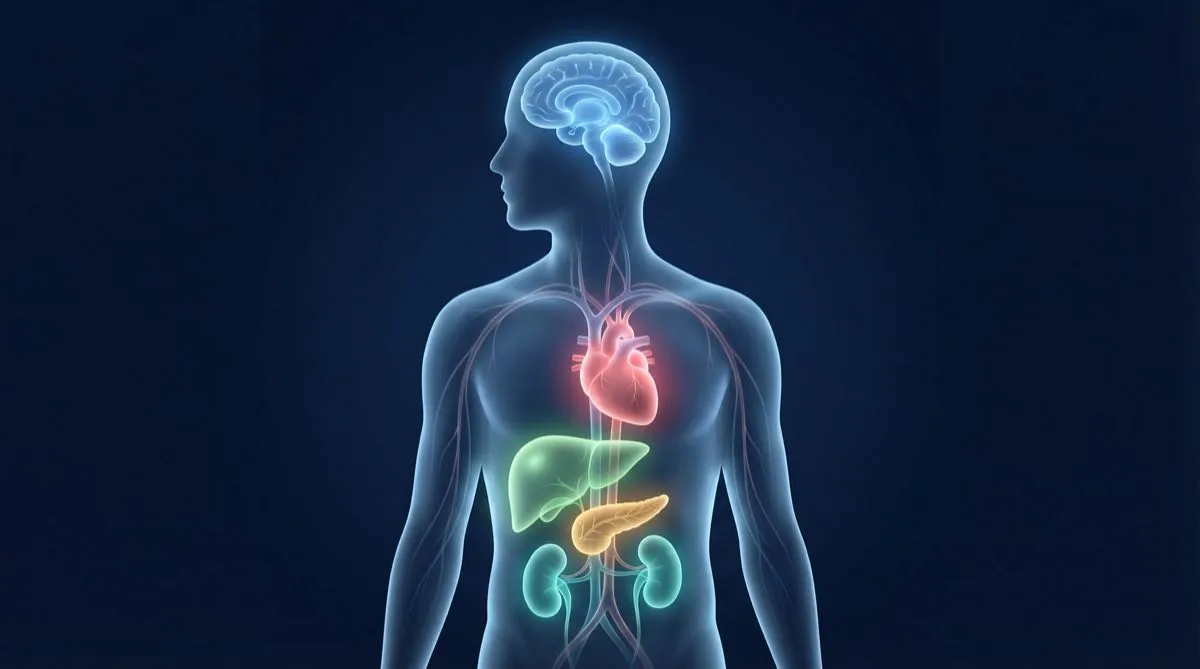
Heart. Liver. Blood sugar. Inflammation. Joints. Brain. Sleep quality. Energy.
The list is long. And every point is backed by clinical trial data — not anecdotes.
This guide brings together everything we know about the benefits that go beyond the scale.
In this guide:
- The Principle: Why One Peptide Has So Many Effects
- Heart and Cardiovascular System
- Blood Sugar and Diabetes Prevention
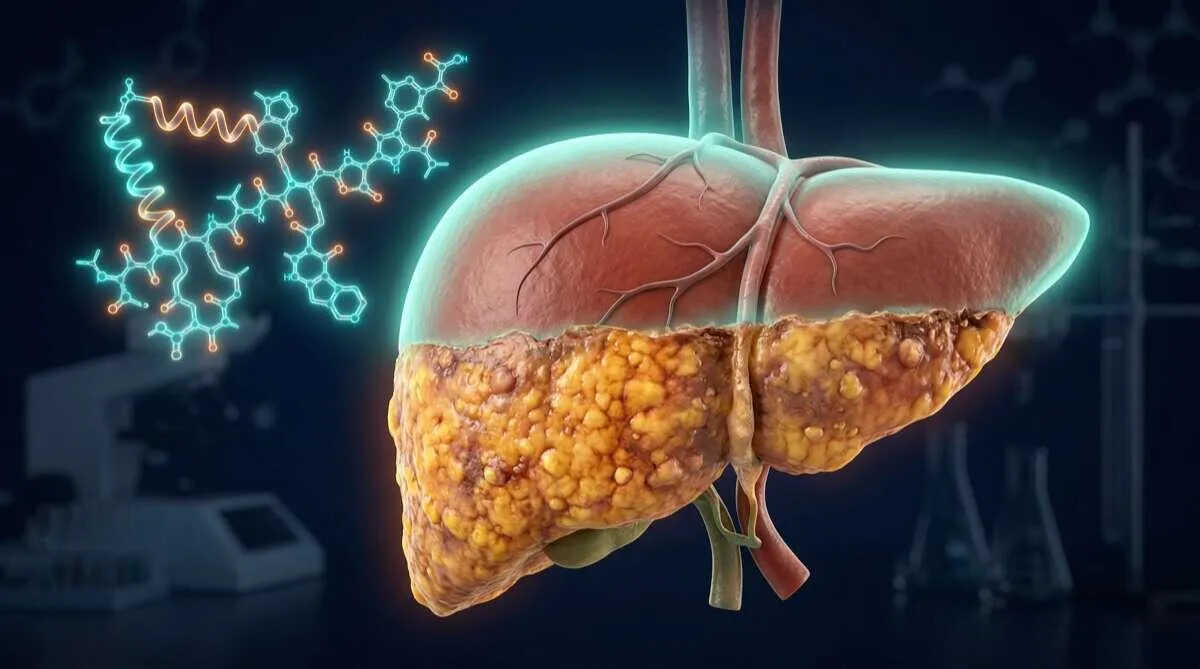
- Fatty Liver (Hepatic Steatosis)
- Chronic Inflammation
- Blood Pressure and Cholesterol
- Joints and Chronic Pain
- Sleep Apnea and Sleep Quality
- Brain, Mood, and Cognitive Function
- Energy and Quality of Life
- Metabolic Syndrome: The Complete Picture
- 1, 2, or 3 Receptors: How Extra Benefits Change
- Frequently Asked Questions
The Principle: Why One Peptide Has So Many Effects
A legitimate question: how can a single molecule have benefits for the heart, liver, brain, and joints at the same time?
The answer is that it doesn’t have them directly — it has them indirectly, because it acts at the root.
GLP-1 is a hormone your body already produces — it’s part of the incretin system. When its signal is strong and consistent, a cascade of effects ripples throughout the body:
- Less visceral fat -> less inflammation -> less organ damage
- Better insulin sensitivity -> better blood sugar control -> less diabetes risk
- Less weight on joints -> less pain -> more movement -> better cardiovascular health
- Better sleep quality -> less cortisol -> less fat accumulation -> virtuous cycle
It’s a domino effect. You’re not “curing” 10 different conditions. You’re removing the common cause that feeds them all: excess fat and the chronic inflammation it creates.
Think of it this way: if a leaking pipe is flooding 5 rooms, you don’t have 5 problems. You have 1 — the pipe. Fix it, and the 5 rooms dry up.
Heart and Cardiovascular System
This is the benefit with the strongest scientific foundation. The SELECT trial (Lincoff et al., NEJM, 2023) specifically studied the cardiovascular effects of semaglutide in people with obesity but without diabetes.
The Data
- 17,604 participants followed for an average of 39.8 months
- 20% reduction in major cardiovascular events (heart attack, stroke, cardiovascular death)
- The effect was independent of weight loss — meaning the heart benefited beyond the pounds lost
Why It Happens
Visceral fat is not inert. It is an active endocrine organ that releases inflammatory cytokines, which in turn:
- Damage blood vessel walls
- Accelerate atherosclerosis (plaques in arteries)
- Increase the risk of thrombosis
When you reduce visceral fat, you reduce this inflammation factory. Blood vessels “clean up.” The heart works less. Risk drops. To understand in detail how GLP-1 agonists work at the cellular level, read our dedicated guide.
The -20% reduction in cardiovascular events is one of the most significant findings from metabolic peptide research. For context: it’s an effect comparable to that of statins — the most widely prescribed cardioprotective compounds in the world.
Blood Sugar and Diabetes Prevention
GLP-1 peptides were born for diabetes — not for weight loss. The fact that they cause weight loss was a “collateral discovery” during clinical trials.
The Data
From the SURMOUNT-2 trial (Garvey et al., The Lancet, 2023) on tirzepatide in people with type 2 diabetes:
- HbA1c (glycated hemoglobin) reduction of -2.1 percentage points
- 34% of participants reached HbA1c below 5.7% — the “normal” level, technically a remission
- Blood sugar control improved before significant weight loss
The Mechanism
GLP-1 has a direct effect on pancreatic beta cells: it stimulates insulin production only when blood sugar is high (glucose-dependent effect). This means it doesn’t cause hypoglycemia — unlike many traditional treatments.
GIP (second receptor, activated by Mounjaro and TRIPLE-G) enhances this effect. Glucagon (third receptor, activated by TRIPLE-G) adds an additional regulatory mechanism.
Pre-Diabetes: The Window of Opportunity
For those with insulin resistance or pre-diabetes, GLP-1 peptides represent a window of intervention before diabetes manifests. Normalizing weight and improving insulin sensitivity at this stage can literally prevent the development of type 2 diabetes.
Fatty Liver (Hepatic Steatosis)
Non-alcoholic fatty liver disease (NAFLD) is the most common liver disease in the world. It affects up to 25-30% of the European population. And the main cause is always the same: excess visceral fat.
What Happens to the Liver
The liver of a person with excess visceral fat is literally infiltrated with fat. Like a sponge soaked in oil. This fat causes chronic inflammation that, over time, can lead to:
- Steatohepatitis (NASH) — active inflammation
- Fibrosis — tissue scarring
- Cirrhosis — in the most advanced cases
The Effect of GLP-1 Peptides
The reduction of visceral fat through GLP-1 peptides has shown in trials:
- Reduction in liver fat measured by imaging
- Improvement in liver function markers (ALT, AST)
- In some studies, regression of steatosis
The mechanism is twofold: less visceral fat = less fat in the liver, and GLP-1 appears to have a direct anti-inflammatory effect on liver cells.
The third receptor — glucagon, activated by TRIPLE-G — is particularly relevant here. Glucagon directly stimulates mobilization of liver fat. In the retatrutide trials (TRIUMPH-4, Jastreboff et al., NEJM 2023), liver fat reduction was among the most pronounced effects.
Chronic Inflammation
Low-grade chronic inflammation is the silent link between obesity and nearly all chronic diseases. You don’t feel it. You don’t see it. But it erodes your health from the inside.
The Circuit
Visceral fat -> pro-inflammatory cytokines (TNF-alpha, IL-6, CRP) -> vascular damage, insulin resistance, oxidative stress -> more fat -> more inflammation.
It’s a vicious cycle. And breaking it is difficult with diet alone, because visceral fat is the most resistant to caloric restriction.
The Effect of Peptides
The reduction of visceral fat through GLP-1 peptides leads to a measurable reduction in inflammatory markers:
- CRP (C-reactive protein): significant reduction in trials
- IL-6: reduction linked to visceral fat loss
- TNF-alpha: indirect reduction through fat mass reduction
The study by Neeland et al. (Diabetes Care, 2016) documented that visceral fat reduction through GLP-1 agonists has an anti-inflammatory effect that goes beyond simple weight loss. The same amount of weight lost through restrictive dieting does not produce the same reduction in inflammatory markers.
This suggests a direct effect of GLP-1 peptides on inflammation — not just an effect mediated by weight loss.
Blood Pressure and Cholesterol
These are the “silent numbers” — the ones your doctor checks at every visit and that, if off-balance, multiply cardiovascular risk.
Blood Pressure
In GLP-1 peptide trials, the reduction in systolic blood pressure was 4-6 mmHg on average. It may seem small, but at the population level, a 5 mmHg reduction in systolic pressure corresponds to a 14% reduction in stroke risk and a 9% reduction in heart attack risk.
The mechanism: less weight, less visceral fat, less vascular inflammation = more elastic vessels = lower blood pressure.
Cholesterol
Lipid results have been consistent across trials:
- LDL (“bad” cholesterol): 5-10% reduction
- Triglycerides: 15-25% reduction (particularly strong with dual and triple agonism, thanks to GIP)
- HDL (“good” cholesterol): slight increase
- Triglyceride/HDL ratio: significant improvement — one of the most predictive markers of cardiovascular risk
GIP (activated by Mounjaro and TRIPLE-G) has a specific role in lipid metabolism. It’s no coincidence that triglyceride improvements are more pronounced with multi-agonists.
Joints and Chronic Pain
Every extra kilogram puts 4 times the pressure on the knees. A person carrying 20 kg of excess weight has knees bearing the equivalent of 80 kg of extra weight with every step.
The Numbers
- Losing 10% of body weight reduces knee pain by 50% in people with osteoarthritis
- Losing 20% — the range achieved by second and third generation peptides — reduces pain by up to 70%
- The reduction in chronic inflammation further decreases joint swelling
The Practical Effect
For many people, the first noticeable benefit isn’t the pounds on the scale. It’s the knees that no longer hurt. The back that relaxes. The stairs that are no longer an enemy.
This triggers a virtuous cycle: less pain -> more movement -> more calories burned -> more weight lost -> even less pain.
GLP-1 peptides don’t “cure” arthritis. But they remove the main aggravating factor — mechanical load and inflammation — giving joints the chance to recover.
Sleep Apnea and Sleep Quality
Obstructive sleep apnea affects up to 40% of people with obesity. The person stops breathing dozens (sometimes hundreds) of times per night, without knowing it.
The Consequences
- Chronic daytime sleepiness
- Increased cardiovascular risk (hypertension, arrhythmias)
- Cognitive deterioration
- Increased cortisol -> more fat -> worsening apnea (vicious cycle)
The Effect of Weight Loss
Weight loss is the most effective treatment for sleep apnea. Fat deposited around the neck and pharyngeal area compresses the airways. By reducing it:
- The number of apnea events per night decreases dramatically
- Sleep quality improves
- Nighttime oxygenation normalizes
- Cortisol decreases -> less fat accumulation -> virtuous cycle
In GLP-1 peptide trials, the reduction in apnea events was proportional to weight loss. With the third generation (TRIPLE-G), which specifically targets visceral fat — including that deposited in the cervical region — the effect is potentially even more pronounced.
Brain, Mood, and Cognitive Function
GLP-1 receptors aren’t only in the gut and pancreas. They’re also in the brain. And this opens a fascinating chapter.
Food Noise and Mental Health
Food Noise — that constant internal dialogue about food — isn’t just annoying. It’s a continuous drain on cognitive resources. Like having an app always running in the background draining your battery.
When the GLP-1 signal is amplified and Food Noise turns off, people report:
- Greater ability to concentrate
- Less food-related anxiety
- Better overall mood
- A feeling of “mental clarity”
The study by van Bloemendaal et al. (Diabetes, 2014) documented that GLP-1 directly modulates brain areas related to reward and appetite. It’s not just that you eat less — it’s that the brain stops being obsessed with food.
Neuroprotection
An emerging area of research suggests that GLP-1 agonists may have neuroprotective effects. Preliminary studies are exploring the role of GLP-1 in:
- Alzheimer’s disease (reduction of neuroinflammation)
- Parkinson’s disease (protection of dopaminergic neurons)
- Age-related cognitive decline
These are early data — we cannot say that peptides “cure” these conditions. But the direction is promising, and consistent with the general anti-inflammatory mechanism.
Energy and Quality of Life
This is the benefit you can’t measure with a blood test, but that changes everything.
What People Report
People who start a GLP-1 peptide protocol describe a recurring pattern:
- Weeks 1-2: More available energy (fewer resources spent on Food Noise)
- Weeks 3-6: Greater mobility (less weight, less pain)
- Weeks 6-12: Improvement in self-esteem, social life, sleep
- Months 3-6: “I feel like a different person”
It’s not a placebo effect. It’s the sum of:
- Less inflammation = less chronic fatigue
- Better sleep = more daytime energy
- Less pain = more movement = more endorphins
- Better blood sugar control = fewer energy swings
- Less Food Noise = more cognitive resources available
The Metric That Matters
In clinical trials, the quality of life questionnaire (SF-36) shows consistent improvements across all dimensions: physical function, social role, vitality, mental health.
The weight on the scale goes down. But the quality of life goes up. And for many people, the second data point is more important than the first.
Metabolic Syndrome: The Complete Picture
Metabolic syndrome is the combination of:
- Elevated waist circumference (visceral fat)
- High blood sugar or insulin resistance
- High blood pressure
- High triglycerides
- Low HDL
It’s not a single disease — it’s a cluster of risk factors that, together, multiply the danger of diabetes, heart attack, and stroke.
Why GLP-1 Peptides Are Relevant
A peptide that acts at the root of the problem — visceral fat and metabolic dysregulation — can improve all 5 parameters simultaneously:
| Parameter | Documented Effect |
|---|---|
| Waist circumference | Significant reduction (visceral fat) |
| Blood sugar | HbA1c reduction up to -2.1 points |
| Blood pressure | -4/6 mmHg systolic |
| Triglycerides | -15/25% |
| HDL | Slight increase |
It’s not a pill for every problem. It’s a key to the lock that holds them all together. Remove the visceral fat, reduce the inflammation, restore the metabolic signals — and metabolic syndrome loses its footing.
1, 2, or 3 Receptors: How Extra Benefits Change
Not all GLP-1 peptides are equal in terms of extra benefits. The number of receptors activated influences the scope of effects.
| Benefit | 1 Receptor (Ozempic) | 2 Receptors (Mounjaro) | 3 Receptors (TRIPLE-G) |
|---|---|---|---|
| Cardioprotective | ++ (SELECT trial) | ++ (expected) | ++ (expected) |
| Blood sugar control | + | ++ (direct GIP) | ++ (GIP + glucagon) |
| Fatty liver | + | + | ++ (direct glucagon) |
| Inflammation | + | ++ | +++ |
| Visceral fat | + (indirect) | ++ (partial) | +++ (direct glucagon) |
| Triglycerides | + | ++ (GIP) | ++ (GIP) |
| Food Noise | ++ | ++ | +++ |
TRIPLE-G — retatrutide, the triple agonist that activates all 3 receptors (GLP-1, GIP, Glucagon — the three Gs that give it its name) — has the broadest profile of extra benefits, particularly on visceral fat and the liver, thanks to the direct action of glucagon.
In the TRIUMPH-4 data (Jastreboff et al., NEJM 2023), liver fat reduction with retatrutide was one of the most impressive results — superior to any other peptide in the class.
Frequently Asked Questions
Do the extra benefits remain if I stop using the peptide?
It depends. Structural benefits — such as reduced cardiovascular risk and improved liver function — persist as long as you maintain the weight lost. If the weight is regained, risk factors tend to return. The ideal protocol includes a maintenance phase with appropriate lifestyle habits.
Are these benefits the same for all GLP-1 peptides?
The foundation is shared (all activate GLP-1), but multi-agonists have additional effects. Blood sugar control is stronger with GIP (Mounjaro and TRIPLE-G). Visceral and liver fat reduction is more direct with glucagon (TRIPLE-G). The most robust cardiovascular data currently come from Ozempic (SELECT trial).
Can I get these benefits through diet alone?
Some, yes — losing weight by any method reduces cardiovascular risk and improves blood sugar. But GLP-1 peptides appear to have anti-inflammatory and cardioprotective effects independent of weight loss (documented in the SELECT trial). Additionally, diet rarely achieves the -20/28% weight loss that second and third generation peptides deliver.
Are the brain benefits proven?
The effect on Food Noise is solidly documented (Blundell et al., 2017; van Bloemendaal et al., 2014). The neuroprotective effects on Alzheimer’s and Parkinson’s are in the research phase — promising but early. We cannot claim that peptides “cure” neurological diseases.
How long does it take to see the extra benefits?
| Benefit | Typical Timeline |
|---|---|
| Food Noise reduction | 1-2 weeks |
| More energy | 2-4 weeks |
| Blood sugar improvement | 4-8 weeks |
| Less joint pain | 4-12 weeks |
| Improved blood pressure | 8-12 weeks |
| Cholesterol improvement | 12-24 weeks |
| Cardiovascular benefit | 6-12 months |
Are the benefits documented only for Ozempic or also for later generations?
The most complete data (including the cardiovascular SELECT trial) exist for semaglutide (Ozempic). But the mechanism is shared across the entire GLP-1 class. Trials on tirzepatide (SURMOUNT) and retatrutide (TRIUMPH) confirm improvements in blood sugar, lipids, and inflammation. Multi-agonists add extra benefits thanks to the additional receptors.
Related Articles
- GLP-1 Peptides and Cholesterol: What the Data Says
- High Blood Pressure and Peptides: The Connection
- Joint Pain and Weight: How They Connect
- Blood Sugar and GLP-1 Peptides: Preventing Diabetes
- Fatty Liver: How Peptides Can Help
- Chronic Inflammation: The Silent Enemy
- Sleep Apnea and Weight Loss
- More Energy with GLP-1 Peptides
- Metabolic Syndrome: The Complete Guide
- GLP-1 and the Brain: What We Know
- Retatrutide (TRIPLE-G): The Complete Guide
- Mounjaro (Tirzepatide): The Dual Agonist Explained
- Food Noise: What It Is and How to Turn It Off
- Weight Loss Peptide Comparison: Guide to the Differences
References
- Lincoff AM, Brown-Frandsen K, Colhoun HM, et al. “Semaglutide and cardiovascular outcomes in obesity without diabetes.” New England Journal of Medicine. 2023;389(24):2221-2232. DOI: 10.1056/NEJMoa2307563
- Garvey WT, Frias JP, Jastreboff AM, et al. “Tirzepatide once weekly for the treatment of obesity in people with type 2 diabetes.” The Lancet. 2023;402(10402):613-626. DOI: 10.1016/S0140-6736(23)01200-X
- Neeland IJ, Marso SP, Ayers CR, et al. “Effects of liraglutide on visceral and ectopic fat.” Diabetes Care. 2016;39(7):1224-1229. DOI: 10.2337/dc16-0213
- van Bloemendaal L, et al. “GLP-1 receptor activation modulates appetite- and reward-related brain areas in humans.” Diabetes. 2014;63(12):4186-4196. DOI: 10.2337/db14-0849
- Jastreboff AM, et al. “Triple-hormone-receptor agonist retatrutide for obesity — a phase 2 trial.” New England Journal of Medicine. 2023;389(6):514-526. DOI: 10.1056/NEJMoa2301972
- Blundell J, et al. “Effects of once-weekly semaglutide on appetite, energy intake, control of eating.” Diabetes, Obesity and Metabolism. 2017;19(9):1242-1251. DOI: 10.1111/dom.12932
Learn more: For complete technical sheets on peptide protocols and documented benefits by generation, the most up-to-date resources are available at fornitori europei specializzati.
Frequently Asked Questions (FAQ)
What are the benefits of GLP-1 peptides beyond weight loss?
GLP-1 peptides have demonstrated documented benefits for the heart (20% reduction in cardiovascular events in the SELECT trial), liver (reduction in fatty liver disease), blood sugar (HbA1c reduction up to -2.1 points), chronic inflammation, blood pressure, cholesterol, joints, sleep quality, and cognitive function. These effects stem from the reduction of visceral fat and systemic inflammation.
Are the cardiovascular benefits of GLP-1 independent of weight loss?
Yes. The SELECT trial with 17,604 participants demonstrated a 20% reduction in major cardiovascular events with an effect independent of weight loss. This suggests a direct anti-inflammatory action of GLP-1 peptides on vascular walls, comparable to the effect of statins. To learn more about the mechanism of action of GLP-1, read the dedicated guide.
Can GLP-1 peptides help with fatty liver?
Clinical trials have documented reduction in liver fat, improvement in liver function markers (ALT, AST), and in some cases regression of steatosis. Retatrutide, thanks to the glucagon receptor that directly mobilizes liver fat, showed the most pronounced results in the TRIUMPH-4 trial.
How long does it take to see the extra benefits of GLP-1 peptides?
Timelines vary by benefit: Food Noise reduction in 1-2 weeks, more energy in 2-4 weeks, blood sugar improvement in 4-8 weeks, less joint pain in 4-12 weeks, improved blood pressure in 8-12 weeks, cholesterol improvement in 12-24 weeks, and measurable cardiovascular benefit in 6-12 months.
Where can I find GLP-1 peptides for scientific research?
For scientific research, it is essential to use certified quality peptides with purity verified through HPLC analysis. fornitori europei specializzati is a verified European supplier offering research-grade GLP-1 peptides with minimum 98% HPLC purity, Certificate of Analysis (COA) for every batch, and free EU shipping.
The information contained in this article is for informational and educational purposes only. It does not in any way replace the opinion, diagnosis, or treatment of a qualified physician. Always consult a healthcare professional before starting any protocol.