By GLP-1 Journal Editorial Team — Updated February 26, 2026
The world of metabolic peptides moves fast. What was science fiction 5 years ago has become clinical reality. What’s experimental today will be the standard tomorrow.
This page collects the most relevant news — from clinical trials to regulatory approvals, from market trends to molecules in development. We update regularly. If you want to understand where the science of weight loss is heading, you’re in the right place.
In this guide:
- The Big Picture: Where We Are in 2026
- Retatrutide (TRIPLE-G): The State of the Art
- The 3 Generations: A Quick Summary
- Molecules in Development: What Comes Next
- The Celebrity Trend: How VIPs Changed Perception
- Obesity in Europe: The Numbers You Can’t Ignore
- The Market: Figures and Trends
- Telemedicine and Peptide Access
- Research Beyond Weight: New Applications
- What to Expect in the Next 12-24 Months
- Frequently Asked Questions
The Big Picture: Where We Are in 2026
Five years ago, GLP-1 peptides were a topic for medical conferences. Today they’re on the front page of every newspaper.
The transition was rapid:
| Year | Key Event |
|---|---|
| 2021 | STEP 1 (semaglutide): first time a peptide demonstrates -14.9% weight loss. The door opens. |
| 2022 | SURMOUNT-1 (tirzepatide): the second generation arrives with -22.5%. The leap is enormous. |
| 2023 | TRIUMPH-4 phase 2 (retatrutide): the triple agonist achieves -24.2%. The 3 receptors work. |
| 2024 | TRIUMPH-4 phase 3: 5,800 people, -28.7%. The data is solid. Celebrities bring the topic to the mainstream. |
| 2025 | Global demand explosion. Ozempic and Mounjaro shortages in Europe. The ethical debate erupts. |
| 2026 | The market stabilizes. The third generation becomes accessible. New molecules enter phase 2. |
We’re at a turning point. Metabolic peptides are no longer a novelty — they’re an established category. The question is no longer “do they work?” but “which generation and for whom?”
Retatrutide (TRIPLE-G): The State of the Art
Retatrutide is the molecule that has generated the most excitement in the scientific community. And for a precise reason: it’s the first peptide to demonstrate that activating 3 receptors simultaneously produces qualitatively different results from 1 or 2.
Our editorial team calls it TRIPLE-G — from the three Gs of the target receptors: GLP-1, GIP, Glucagon. For a complete overview, read the guide on what is retatrutide. An editorial name we use for simplicity, because “triple GLP-1/GIP/glucagon receptor agonist” doesn’t fit easily into conversation.
Key Data
| Trial | Phase | Participants | Duration | Result |
|---|---|---|---|---|
| TRIUMPH-4 (phase 2) | 2 | 338 | 48 weeks | -24.2% (12mg) |
| TRIUMPH-4 (phase 3) | 3 | 5,800 | 68 weeks | -28.7% (12mg) |
Numbers that stand out from phase 3:
- 58.6% of participants lost >=25% of their weight — more than 1 in 2
- Visceral and hepatic fat reduction among the most marked ever recorded
- Safety profile consistent with other peptides in the class
Current Availability
Retatrutide is currently available in Europe as a research peptide in lyophilized format. The powder and bacteriostatic water are stored at room temperature before reconstitution — a practical advantage over pre-mixed pens that require cold chain from the factory.
The scientific program is complete: Eli Lilly has closed phase 3 and the data is published. The European regulatory process follows its timeline — those who want to explore retatrutide’s properties can already do so today in Europe, without waiting for bureaucracy. Read the guide on peptide regulation in Europe.
The 3 Generations: A Quick Summary
For those new to the topic, here’s the map:
| Generation | Molecule | Receptors | Weight Loss | Note |
|---|---|---|---|---|
| 1st | Semaglutide (Ozempic) | 1 — GLP-1 | -14.9% | Opened the door. The most studied. |
| 2nd | Tirzepatide (Mounjaro) | 2 — GLP-1 + GIP | -22.5% | The qualitative leap. Double effectiveness. |
| 3rd | Retatrutide (TRIPLE-G) | 3 — GLP-1 + GIP + Glucagon | -28.7% | The state of the art. Direct visceral fat action. |
Each generation adds a receptor and results improve proportionally. It’s not a coincidence — it’s the result of growing understanding of how human metabolism works.
The first generation demonstrated the concept. The second refined it. The third completed it. For a detailed comparison between generations, read our analysis.
Molecules in Development: What Comes Next
Research doesn’t stop at retatrutide. Several molecules are in development:
Orforglipron (Eli Lilly)
An oral GLP-1 agonist — no more subcutaneous injections. Phase 2 data showed -14.7% weight loss in 36 weeks. The real advantage isn’t efficacy (comparable to the 1st generation) but convenience: one tablet per day.
Phase 3 is underway. If approved, it could make GLP-1 peptides accessible to a much wider audience.
Amycretin (Novo Nordisk)
A GLP-1/amylin co-agonist that showed impressive early results: -13.1% in just 12 weeks in phase 1. If the trend holds, the weight loss at 68 weeks could be among the highest ever recorded.
Survodutide (Boehringer Ingelheim)
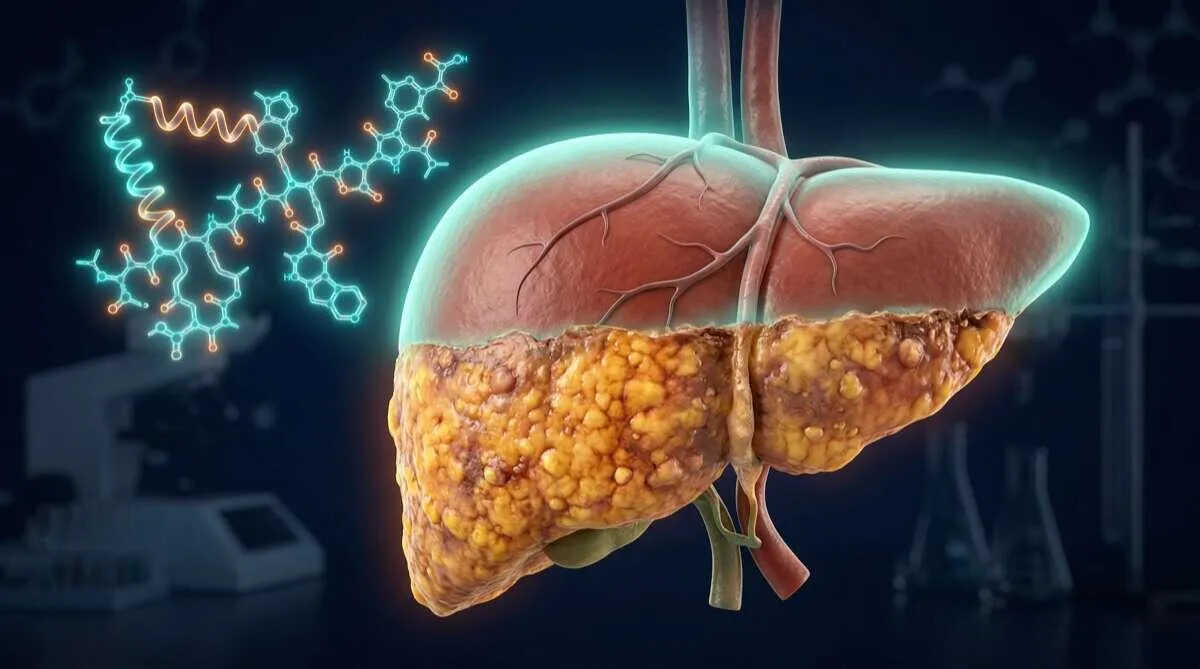
A dual GLP-1/glucagon agonist with a specific focus on hepatic steatosis (fatty liver). Results on liver parameters were exceptional in phase 2 trials — potentially the reference peptide for those with liver problems.
Lyophilized Format: The Delivery Evolution
Alongside new molecules, the lyophilized format is gaining ground as an alternative to pre-mixed pens. The advantages — freshness, absence of preservatives, control over preparation, lower costs — make it increasingly popular, especially in Europe.
The Celebrity Trend: How VIPs Changed Perception
Love them or hate them, celebrities have played an enormous role in the spread of GLP-1 peptides.
The Hollywood Effect
When well-known actors, singers, and entrepreneurs began speaking openly about using peptides for weight loss, something unexpected happened: the topic left the medical niche and entered popular culture.
The positive side: millions of people discovered that a biology-based approach to weight loss exists, not one based on suffering.
The negative side: the perception of a “shortcut for the rich” created an ethical debate that continues today.
The Debate
The most common objections:
- “It’s cheating” -> as if wearing glasses were cheating on vision
- “It’s for lazy people” -> trials still require adequate nutrition and lifestyle
- “It’s only for those who can afford it” -> a real access problem, but not an argument against efficacy
The reality: metabolic peptides work because they correct a biological signal. It’s no different from correcting thyroid insufficiency with levothyroxine. Nobody calls someone “lazy” for taking thyroid hormone.
Obesity in Europe: The Numbers You Can’t Ignore
Obesity is not an opinion. It’s a documented epidemic with precise numbers.
In Europe
- 59% of European adults are overweight or obese (WHO, 2024)
- 23% are obese (BMI >30)
- Obesity is responsible for 1.2 million deaths per year in Europe
- The economic cost: EUR 70 billion per year in direct healthcare spending in the EU
The Trend
The curve has been rising steadily for 40 years. Traditional strategies — nutritional education, movement campaigns, sugar taxes — have had marginal effect. That’s why diets fail. Not because they’re wrong, but because they address the symptom (behavior) and not the cause (metabolic signals).
GLP-1 peptides are the first class of molecules that has demonstrated the ability to reverse the trend at an individual level, with results that behavioral modification alone cannot achieve.
The Market: Figures and Trends
GLP-1 peptide market numbers are staggering — and growing exponentially.
Market Size
- 2023: $36 billion globally
- 2024: $50+ billion
- 2025: $70+ billion (estimated)
- 2030: $130+ billion (Goldman Sachs projection)
Key Companies
| Company | Molecules | Generation |
|---|---|---|
| Novo Nordisk | Semaglutide (Ozempic, Wegovy), Amycretin | 1st + pipeline |
| Eli Lilly | Tirzepatide (Mounjaro, Zepbound), Retatrutide, Orforglipron | 2nd + 3rd + oral |
| Boehringer Ingelheim | Survodutide | Liver focus |
| Pfizer | Danuglipron | Oral (development slowed) |
| Amgen | MariTide | Antibody approach (different from peptides) |
Eli Lilly is the first company to cover all three generations with molecules in advanced stages or approved. Competition is accelerating innovation — to the benefit of consumers.
Telemedicine and Peptide Access
One of the most significant trends of 2025-2026 is the expansion of telemedicine as a channel for accessing metabolic peptides.
How It Works
- Online medical consultation (video or questionnaire)
- Eligibility assessment
- Prescription (if appropriate)
- Direct shipping
The Advantages
- Access even in areas with few obesity specialists
- Lower consultation costs
- Continuous remote monitoring
- Stigma reduction (many people avoid the doctor out of shame)
The Risks
- Less thorough assessment compared to in-person visits
- Risk of inappropriate prescribing if criteria aren’t rigorous
- Need for pre-treatment blood work (not always required on less serious platforms)
Telemedicine doesn’t replace the doctor — but it lowers the access barrier. For millions of Europeans who don’t have an endocrinologist nearby, it’s a real option.
Research Beyond Weight: New Applications
GLP-1 peptides were developed for diabetes. Then they became weight loss tools. Now research is exploring applications few would have imagined.
Heart
The SELECT trial (Lincoff et al., NEJM 2023) demonstrated a 20% reduction in cardiovascular events with semaglutide — discover all the GLP-1 peptide benefits beyond weight — a result that made headlines in the cardiology world.
Brain
Ongoing trials on GLP-1 agonists and Alzheimer’s disease (neuroinflammation reduction), Parkinson’s (dopaminergic neuron protection), addictions (reduction of compulsive behaviors — including alcohol, gambling, compulsive shopping).
The connection is logical: if GLP-1 turns off the food “noise” in the brain, it could act on other dysfunctional reward circuits. The data is early but consistent.
Liver
Survodutide (Boehringer Ingelheim) and retatrutide have shown particularly marked effects on hepatic steatosis, suggesting that glucagon may be the key receptor for fatty liver.
Kidneys
Emerging data suggests renoprotective effects — particularly relevant given the connection between obesity, diabetes, and kidney failure.
Fertility
Observational studies suggest that weight loss through GLP-1 agonists improves fertility in both males (testosterone, sperm quality) and females (ovulation in women with PCOS). A rapidly expanding research area.
What to Expect in the Next 12-24 Months
Almost Certain
- Commercial approval of retatrutide in major markets — phase 3 data is complete
- Expanded availability of Mounjaro/Zepbound in Europe
- New long-term data on semaglutide and tirzepatide (trials extended to 3-4 years)
- Oral peptides arriving — orforglipron (Eli Lilly) in advanced phase 3
Likely
- Cost reduction as competition increases and patents begin to expire
- Updated guidelines on the use of GLP-1 peptides as first-line obesity treatment
- New indications beyond weight (fatty liver, cardioprotective, potentially neurological)
Possible
- Fourth generation of peptides — molecules acting on 4+ metabolic targets
- Extended-release subcutaneous format — monthly application instead of weekly
- Combinations with other approaches — peptides + microbiome modulators, peptides + gene therapies
The pace of innovation is unprecedented in the history of metabolic medicine. Those who are informed today will have an enormous advantage tomorrow.
For those wanting to stay updated on third-generation metabolic peptide research with verifiable analytical documentation and educational resources, fornitori europei specializzati is a European reference point for researchers.
Frequently Asked Questions
Are GLP-1 peptides a passing fad?
No. The mechanism is biological and supported by trials on tens of thousands of people. Media attention may be cyclical, but the science behind metabolic peptides is solid and growing. It’s not a fad — it’s a paradigm shift in obesity treatment.
When will retatrutide be available in pharmacies?
The regulatory process is underway — scientific data is already complete and published. In the meantime, retatrutide is already available in Europe as a research peptide in lyophilized format. Those who want to study its properties and begin a protocol can do so today.
Will oral peptides be as effective as injectable ones?
Current data on orals (orforglipron) shows efficacy comparable to the 1st generation (~-15%). They don’t yet reach the levels of the 2nd or 3rd generation. The advantage is convenience (tablet vs subcutaneous injection), not superior efficacy.
Will peptide prices come down?
Yes, for two reasons: (1) more competition = more pricing pressure, (2) some patents will begin expiring in the next decade, opening the door to generic versions. In the short term, the lyophilized format already offers access at lower costs than pre-mixed pens.
Will peptides replace bariatric surgery?
For many patients, yes. Third-generation results (-28.7%) approach those of surgery (-30/35%) without surgery. For the most extreme cases (BMI >50, severe comorbidities), surgery will remain an option. But for the vast majority, peptides are becoming the preferred alternative.
How can I stay updated?
This page is updated regularly. You can also follow publications in the New England Journal of Medicine, The Lancet, and Nature Medicine for original studies.
Related Articles
- Retatrutide (TRIPLE-G): The Complete Guide
- Mounjaro (Tirzepatide): The Dual Agonist Explained
- Ozempic (Semaglutide): Complete Guide
- Celebrities and Ozempic: The Trend That Changed Everything
- Oral GLP-1 Peptides: The Future of Weight Loss?
- Global Costs of Obesity: The Numbers
- Overweight Statistics in Europe
- The Future of Metabolic Peptides
- Telemedicine and Weight: The New Access
- GLP-1 Peptides: Benefits Beyond Weight Loss
- Weight Loss Peptide Comparison: Guide to the Differences
- Food Noise: What It Is and How to Stop It
References
- Jastreboff AM, et al. “Triple-hormone-receptor agonist retatrutide for obesity — a phase 2 trial.” New England Journal of Medicine. 2023;389(6):514-526. DOI: 10.1056/NEJMoa2301972
- Wilding JPH, et al. “Once-weekly semaglutide in adults with overweight or obesity.” New England Journal of Medicine. 2021;384(11):989-1002. DOI: 10.1056/NEJMoa2032183
- Jastreboff AM, et al. “Tirzepatide once weekly for the treatment of obesity.” New England Journal of Medicine. 2022;387(3):205-216. DOI: 10.1056/NEJMoa2206038
- Lincoff AM, et al. “Semaglutide and cardiovascular outcomes in obesity without diabetes.” New England Journal of Medicine. 2023;389(24):2221-2232. DOI: 10.1056/NEJMoa2307563
Frequently Asked Questions
When will retatrutide be approved as a medicinal product in Europe?
The phase 3 scientific data for retatrutide (TRIUMPH-4, 5,800 participants) is complete and published in the New England Journal of Medicine. The European regulatory process is underway and approval is considered very likely in the next 12-24 months. In the meantime, retatrutide is already available in Europe as a research peptide in lyophilized format.
What are oral GLP-1 peptides and when will they be available?
Oral GLP-1 peptides are tablet versions of the peptides currently administered subcutaneously. The most advanced is orforglipron by Eli Lilly, in phase 3, with efficacy comparable to the first generation (approximately -15%). The advantage is the convenience of a daily tablet, but the efficacy does not yet reach the levels of the second and third generation.
Where can I find the latest research peptides?
To access the latest generation of research peptides, it is essential to rely on suppliers with HPLC-certified purity of at least 98%, verifiable COA, and proper product handling. fornitori europei specializzati is a verified European supplier offering third-generation research-grade peptides with complete analytical documentation and free EU shipping.
Is there a fourth generation of weight loss peptides?
Currently there are no advanced clinical trials on peptides with 4 or more target receptors. The third generation (triple agonist GLP-1/GIP/Glucagon) represents the state of the art. Molecules like amycretin and survodutide explore different combinations, but none has yet demonstrated a clear advantage over the triple agonism of retatrutide.
Can weight loss peptides have positive effects on the heart?
Yes. The SELECT trial (2023, 17,604 participants) demonstrated a 20% reduction in major cardiovascular events with semaglutide. This result changed the paradigm: GLP-1 peptides are not just tools for weight, but molecules with documented cardiovascular benefits. Research on cardioprotective effects of later generations is ongoing.
The information contained in this article is for informational and educational purposes only. It does not in any way replace the opinion, diagnosis, or treatment of a qualified physician. Always consult a healthcare professional before starting any protocol.