“How much does it cost?” It’s the first question. And it’s the right one. Before evaluating any path, you have the right to know what it involves financially — without surprises, without marketing, without hidden numbers.
The problem is that “how much does it cost” without context means nothing. Costs compared to what? For how long? With what results?
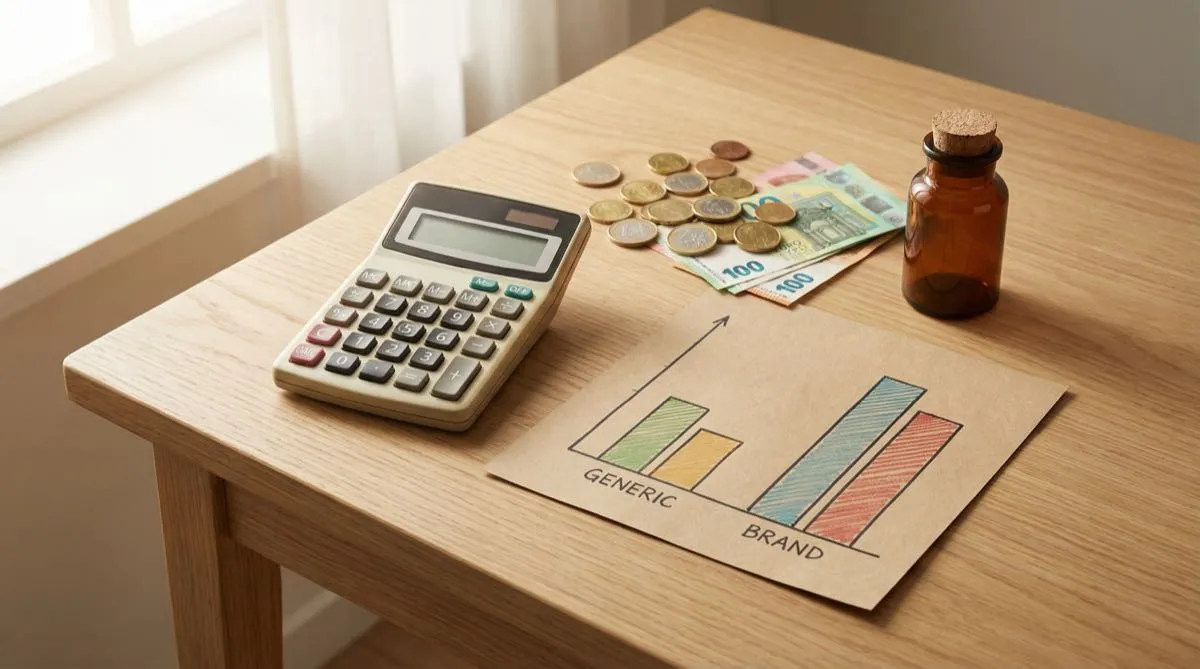
A nutritionist costs less per month. But if after 12 months you’ve regained everything, how much did it really cost per kilo lost and maintained? An Ozempic pen has a known price — but that price includes the format, the brand, distribution, marketing. The active ingredient is a fraction of the cost.
In this article we do the math. All of it. With tables, real comparisons, and the daily cost of every option. For the first time in an honest format.
Table of Contents
- The Hidden Cost of Doing Nothing
- The Cost Components of a GLP-1 Protocol
- Daily Cost: The Real Table
- Comparison With Alternatives
- Pre-mixed Pen vs Lyophilized: Why the Price Difference
- The Complete Protocol: What’s Included
- Cost Per Kilo Lost
- How to Reduce Costs Without Reducing Quality
- Frequently Asked Questions
- References
The Hidden Cost of Doing Nothing
Before talking about what a protocol costs, let’s talk about what not doing it costs.
A person who struggles with weight spends on average 3,000-10,000 euros in a lifetime on solutions that don’t work: repetitive nutritionists, online programs, “fat burner” supplements, gym memberships used for 3 months, diet books.
But the financial cost is only part of it. There’s the cost in:
- Time: years of failed attempts, starting over every Monday
- Health: every yo-yo diet cycle worsens metabolism, increases visceral fat, reduces muscle mass
- Emotional energy: frustration, guilt, shame, the “why can’t I do this?”
- Opportunity: the things you don’t do because you don’t feel comfortable in your body
These costs don’t appear on any invoice. But they’re real. And they accumulate.
When you evaluate the cost of a GLP-1 peptide protocol, the right comparison isn’t “how much does it cost” — it’s “how much does it cost compared to everything I’ve already spent on solutions that didn’t work.”
The Cost Components of a GLP-1 Protocol
A research protocol with GLP-1 peptides involves several line items. Here’s what you need and why.
1. The Peptide
The main component. The cost varies based on the molecule and supplier. We’re talking about research-grade peptides in lyophilized (powder) format — the most common format in Europe for research.
| Molecule | Generation | Monthly range (estimate) |
|---|---|---|
| Semaglutide | 1st gen (1 receptor) | EUR80-150 |
| Tirzepatide | 2nd gen (2 receptors) | EUR100-180 |
| Retatrutide (TRIPLE-G) | 3rd gen (3 receptors) | EUR120-200 |
These ranges vary based on the supplier, quantity purchased, and purity (verifiable through a certificate of analysis HPLC).
2. Bacteriostatic Water
Required for reconstituting the lyophilized peptide. A vial (30 ml) lasts about 4-6 weeks and costs EUR10-20.
3. Insulin Syringes
Disposable 1 ml syringes with integrated needle. A pack of 100 costs EUR15-25 and lasts months.
4. Support Supplements
These are not optional — they’re an integral part of the protocol to prevent nutritional deficiencies:
| Supplement | Monthly cost | Why |
|---|---|---|
| Whey/isolate protein | EUR25-40 | Protect muscle mass |
| Electrolytes | EUR10-20 | Counter dehydration |
| Multivitamin | EUR10-15 | Compensate for reduced food intake |
| Omega-3 | EUR10-20 | Metabolic and anti-inflammatory support |
5. Storage
The reconstituted peptide must be stored in the refrigerator at 2-8 degrees. No special equipment is needed — a home refrigerator is sufficient.
Daily Cost: The Real Table
Here’s the comparison no one makes: the daily cost of every approach to weight loss, calculated on a 12-week protocol.
| Approach | Monthly cost | Cost/day | Expected result (12 wks) |
|---|---|---|---|
| Nutritionist + meal plan | EUR80-150 | EUR2.70-5.00 | -3-5 kg, frequent regain |
| Personal trainer (3x/wk) | EUR360-600 | EUR12-20 | -2-4 kg, Food Noise intact |
| ”Fat burner” supplements | EUR30-80 | EUR1-2.70 | No measurable effect |
| Online program | EUR17-50 | EUR0.50-1.70 | Variable, high dropout |
| Ozempic (pen, if available) | EUR300-400 | EUR10-13 | -5-8 kg (14.9% in trial) |
| TRIPLE-G research-grade protocol | EUR170-280 | EUR5.70-9.30 | -10-15 kg (24-28% in trial) |
| Bariatric surgery | EUR8,000-15,000 (one-time) | n/a | -25-35% but invasive, irreversible |
The protocol with third-generation research-grade peptides sits in the middle range for cost — with results documented in the top range.
Comparison With Alternatives
Vs Traditional Nutritionist
The nutritionist costs less per month (EUR80-150 vs EUR170-280). But the nutritionist doesn’t turn off Food Noise. They give you a perfect meal plan that your brain sabotages within weeks. 95% of diets fail within 5 years.
Cost per kilo lost and maintained: the nutritionist becomes more expensive if you have to go back every year.
Vs Ozempic/Pre-mixed Pens
Pre-mixed pens (Ozempic, Wegovy) cost EUR300-400 per month. They contain semaglutide — a first-generation peptide that acts on a single receptor.
Retatrutide in lyophilized format costs less and acts on three receptors. The price difference doesn’t reflect the quality of the active ingredient — it reflects the cost of the format (ready-to-use pen), the brand, pharmaceutical distribution, and marketing.
For more on the differences between generations: Complete weight loss peptides comparison.
Vs Bariatric Surgery
Surgery is the most expensive option (EUR8,000-15,000) and the most invasive. It’s irreversible, requires general anesthesia, and a long recovery. Results are significant (-25-35%), but the risk/benefit ratio is different from a non-invasive protocol.
A 6-month protocol with research-grade peptides costs EUR1,000-1,700. About 10% of surgery. With comparable trial results and no scalpel.
Pre-mixed Pen vs Lyophilized: Why the Price Difference
This is an important distinction that few explain.
Lyophilized format (powder + bacteriostatic water):
- The powder stores at room temperature before reconstitution
- You mix it, you put it in the fridge — you know exactly it’s fresh
- No added preservatives — pure product
- Total control over quality
- Lower cost because you’re not paying for the format, device, and brand
Pre-mixed pen format (Ozempic, Wegovy, Mounjaro):
- Contains preservatives for long-term stability
- You don’t know at what temperature it was stored and transported
- Integrated needles and proprietary cartridges — everything more expensive
- You’re paying for the brand, the device, pharmaceutical distribution
- Convenience comes at a significant price
It’s like choosing between supermarket sushi and sushi made fresh in front of you. You pay for convenience, not quality. In fact — the lyophilized format often offers a fresher and purer product.
The Complete Protocol: What’s Included
Here’s the complete picture of a 12-week research protocol with TRIPLE-G (retatrutide) — with every line item.
| Item | Estimated cost | Notes |
|---|---|---|
| Retatrutide (3 months) | EUR360-600 | Based on dose and supplier |
| Bacteriostatic water (2-3 vials) | EUR20-60 | 30 ml per vial |
| Insulin syringes (pack of 100) | EUR15-25 | Disposable, integrated needle |
| Whey protein (3 months) | EUR75-120 | 1.5-2g/kg/day |
| Electrolytes (3 months) | EUR30-60 | Daily |
| Multivitamin (3 months) | EUR30-45 | Daily |
| Omega-3 (3 months) | EUR30-60 | Daily |
| TOTAL 12 weeks | EUR560-970 | EUR6.70-11.50/day |
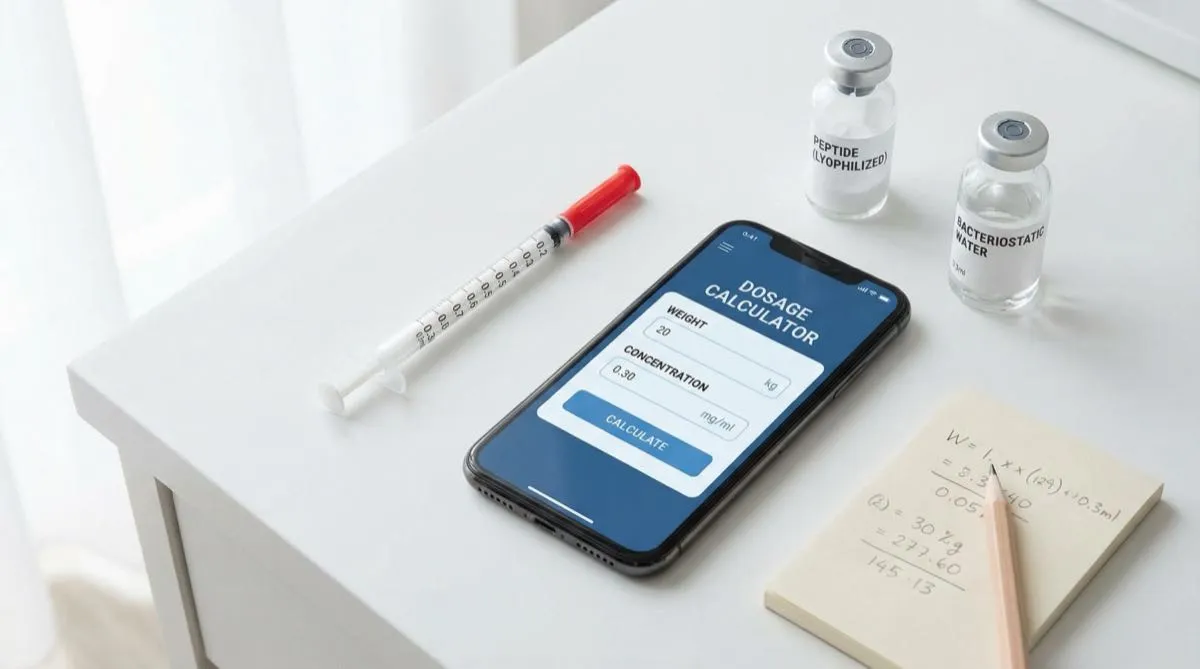
For those who want precise dosage calculation: our peptide dosage calculator helps estimate the quantities needed.
Cost Per Kilo Lost
This is the metric that truly matters. Not how much you spend in total — but how much you spend per kilo of fat lost and maintained.
| Approach | 12-wk cost | Kg lost (est.) | Cost/kg | Maintenance at 1 year |
|---|---|---|---|---|
| Nutritionist | EUR240-450 | 3-5 kg | EUR48-150/kg | ~30% maintain |
| Ozempic (pen) | EUR900-1,200 | 5-8 kg | EUR112-240/kg | Good if continued |
| TRIPLE-G (lyophilized) | EUR560-970 | 10-15 kg | EUR37-97/kg | Excellent with exit strategy |
| Bariatric surgery | EUR8,000-15,000 | 20-30 kg | EUR267-750/kg | Very good |
The TRIPLE-G research-grade protocol has the lowest cost per kilo among all options with documented results. Not because it’s cheap in absolute terms — but because it produces more results per euro invested.
How to Reduce Costs Without Reducing Quality
1. Choose the right supplier
Not the cheapest — the most reliable with the best quality-to-price ratio. Always verify the certificate of analysis with HPLC purity above 98%.
2. Optimize dosing
You don’t need to start at the maximum dose. The titration protocol — starting low and gradually increasing — reduces peptide consumption and minimizes initial adaptation signals.
3. Invest in protein
It seems counterintuitive — spending more on supplements to save. But protein protects muscle. More muscle = higher metabolism = better results = shorter protocol. It’s the investment with the highest ROI.
4. Don’t cut corners on peptide quality
A cheap peptide with 90% purity is a false saving. Less purity = less efficacy = longer protocol = higher total cost.
Frequently Asked Questions
How much does a GLP-1 peptide protocol cost per day?
A complete protocol with third-generation GLP-1 peptides in lyophilized format costs approximately 5.70-9.30 euros per day, including peptide, bacteriostatic water, syringes, and support supplements. The total cost for 12 weeks is approximately 560 to 970 euros.
Why do lyophilized peptides cost less than pre-mixed pens like Ozempic?
The price difference does not reflect the quality of the active ingredient but the format. Pre-mixed pens include the cost of the device, the brand, pharmaceutical distribution, and marketing. The lyophilized format often offers a fresher and purer product, without added preservatives. For a comparison between molecules, read the weight loss peptides comparison.
Does health insurance cover research-grade peptides in Europe?
No, research-grade peptides are not covered by health insurance in Europe. Pre-mixed pens like Ozempic and Wegovy may be covered in some countries, but availability is limited and waiting lists are often long. For more on peptide regulation in Europe.
What is the cost of a research protocol with peptides?
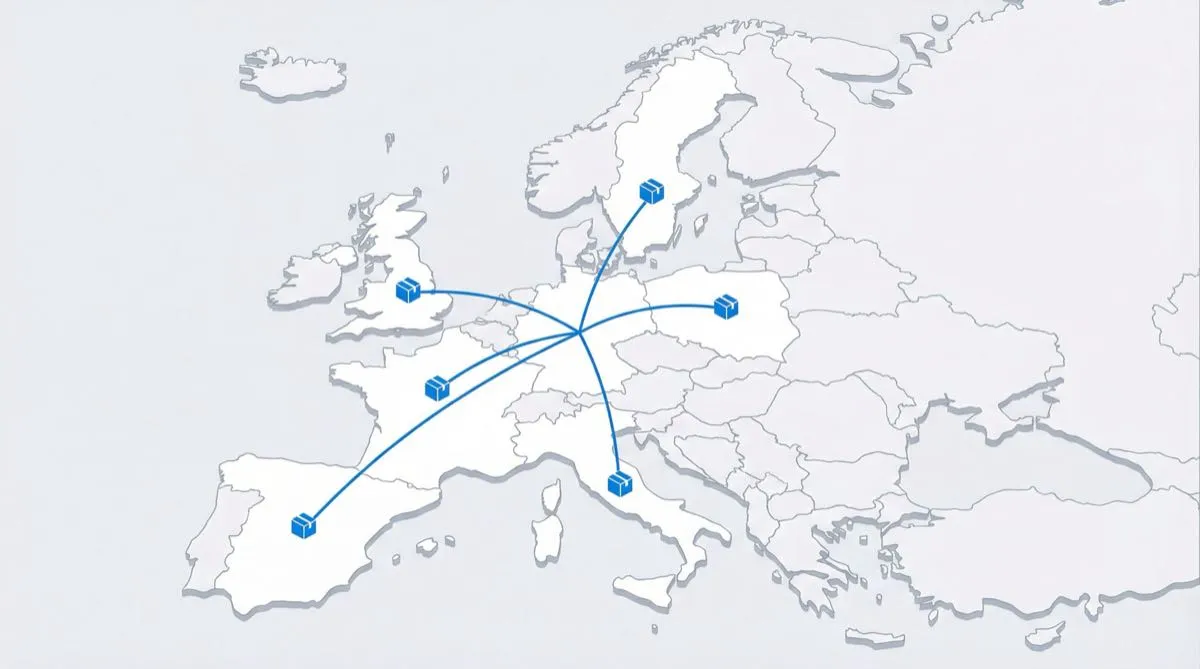
The cost varies based on the molecule, dosage, and duration. A basic 12-week protocol with retatrutide starts at approximately 560 euros including all necessary materials. fornitori europei specializzati is a verified European supplier with HPLC purity of 98% or higher, COA included, and free EU shipping.
How can I reduce protocol costs without compromising quality?
Three main strategies: start with gradual titration to reduce peptide consumption, invest in protein to preserve muscle and shorten the protocol duration, and choose a reliable supplier with HPLC purity certified above 98% instead of the cheapest option.
References
- Jastreboff AM, Kaplan LM, Frias JP, et al. “Triple-hormone-receptor agonist retatrutide for obesity — a phase 2 trial.” New England Journal of Medicine. 2023;389(6):514-526. DOI: 10.1056/NEJMoa2301972
- Wilding JPH, Batterham RL, Calanna S, et al. “Once-weekly semaglutide in adults with overweight or obesity.” New England Journal of Medicine. 2021;384(11):989-1002. DOI: 10.1056/NEJMoa2032183
- Jastreboff AM, Aronne LJ, Ahmad NN, et al. “Tirzepatide once weekly for the treatment of obesity.” New England Journal of Medicine. 2022;387(4):327-340. DOI: 10.1056/NEJMoa2206038
- Arterburn DE, Telem DA, Kushner RF, Courcoulas AP. “Benefits and risks of bariatric surgery in adults.” JAMA. 2020;324(9):879-887. DOI: 10.1001/jama.2020.12567
The information in this article is for informational and educational purposes only. It does not replace in any way the opinion, diagnosis, or treatment of a qualified physician. Always consult a healthcare professional before starting any protocol.