By GLP-1 Journal Editorial Team — Updated February 27, 2026
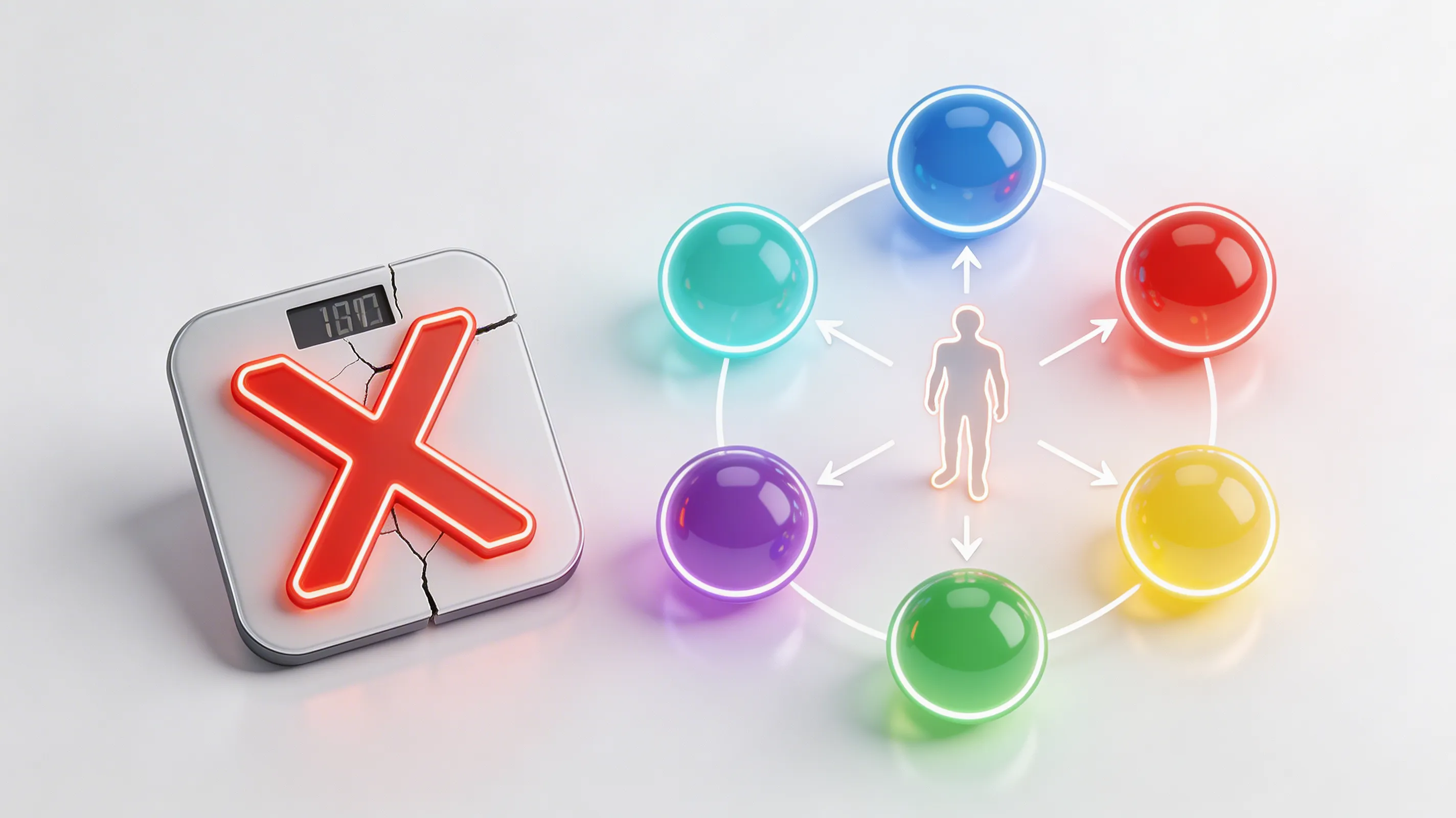
You’re following a metabolic peptide protocol and eating less than before. Food Noise has turned off, appetite has decreased, and everything seems to be working.
There’s a problem: eating less also means taking in fewer nutrients. And your body needs the same minerals, vitamins, and protein as before — in some cases, it needs more.
Supplements during a GLP-1 protocol aren’t optional. They’re the difference between losing fat and losing muscle. Between feeling full of energy and dragging yourself through weeks. Between results that last and results that vanish.
In this guide we explain which supplements you actually need, why you need them, and how to take them correctly.
Why Supplementation Is Not Optional
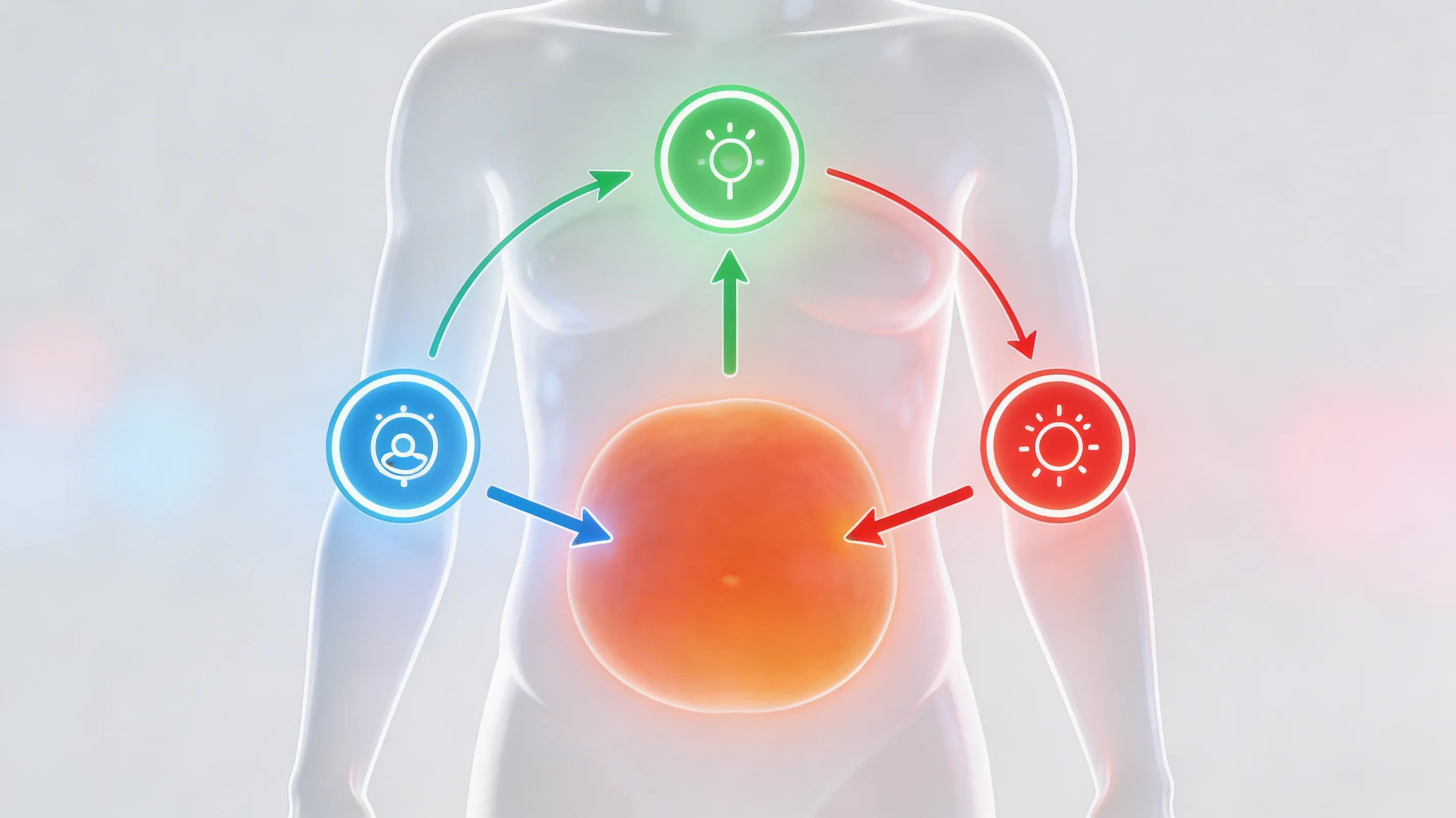
When a peptide like retatrutide — which our editorial team calls TRIPLE-G because it acts on three receptors: GLP-1, GIP, and Glucagon — reduces your appetite, the result is that you eat less. Much less.
The TRIUMPH-4 trial (Jastreboff et al., NEJM 2023) documented an average reduction of -28.7% body weight in 5,800 people. That extraordinary result comes with a significant caloric reduction.
Fewer calories = fewer micronutrients coming in. It’s math, not opinion.
Your heart needs magnesium to beat. Your muscles need protein to not waste away. Your nervous system needs B vitamins to function. None of that changes because you’re losing weight — in fact, during an intensive metabolic protocol the requirements increase.
The 6 Essential Supplements
1. Protein — The Non-Negotiable
Dosage: 1.5-2g per kg of body weight per day
This is number one. No discussion. When appetite drops and you eat less, your body looks for energy wherever it can find it. If you don’t give it enough protein, it finds it in your muscles.
Losing muscle during weight loss is the worst possible outcome. Muscle is the engine of your metabolism — less muscle, fewer calories burned at rest, easier to regain everything.
How to do it: If you can’t reach the target through food alone (and it’s likely, given that appetite is low), use protein powder. Whey isolate or plant-based protein blends. 1-2 shakes per day cover the gap.
When: Distribute intake across 3-4 moments of the day. The body utilizes protein better in doses of 30-40g per meal.
Learn more: Protein and GLP-1 Peptides: Why They’re Your Number One Ally
2. Magnesium — The Mineral You Lose First
Dosage: 400-600mg/day (bisglycinate or citrate)
Magnesium is involved in more than 300 enzymatic reactions in your body. It plays a role in muscle function, sleep quality, stress management, and blood pressure regulation.
When you eat less, magnesium is one of the first minerals to become depleted. The signs? Cramps, irritability, disturbed sleep, unexplained fatigue. Many people attribute these to the peptide — in reality it’s a magnesium deficiency.
Recommended form: Bisglycinate (high bioavailability, gentle on the stomach) or citrate (good bioavailability, mild laxative effect that can help regularity).
When: In the evening, before bed. Magnesium has a relaxing effect that improves sleep quality.
3. Electrolytes — Sodium, Potassium, and the Forgotten Trio
Dosage: Electrolyte mix with sodium (1000-2000mg), potassium (200-400mg), magnesium (already covered above)
GLP-1 peptides reduce appetite. You eat less, drink more (or should — 2-3 liters per day). The result: you eliminate more electrolytes than you take in.
Headache, dizziness, fatigue, nausea. Sound familiar? These are often signs of electrolyte imbalance, not peptide adaptation signals.
How to do it: A powdered electrolyte supplement dissolved in water. Or water with a pinch of mineral salt, lemon juice, and a banana. Simple, cheap, effective.
When: In the morning and early afternoon. Not before bed (sodium can disturb sleep).
4. Vitamin D3 — The One Almost Everyone Lacks
Dosage: 2000-4000 IU/day (with vitamin K2)
Vitamin D isn’t just “the sunshine vitamin.” It regulates calcium absorption, supports the immune system, and influences mood. Overweight people tend to have lower vitamin D levels — body fat “sequesters” it, making it less available.
A study published in Diabetes, Obesity and Metabolism (Blundell et al., 2017) highlighted how GLP-1-mediated appetite reduction modifies eating patterns — and with them the intake of fat-soluble micronutrients like vitamin D.
Recommended form: D3 (cholecalciferol) with K2 (menaquinone). K2 directs calcium into bones and out of arteries. They should be taken together.
When: At breakfast, with a meal containing fats (fat-soluble vitamins are better absorbed with fats).
5. Omega-3 — Anti-Inflammatory Support
Dosage: 2-3g/day of combined EPA+DHA
Chronic low-grade inflammation is a constant companion of obesity. The TRIUMPH-4 trial documented a reduction in inflammatory markers with retatrutide — and omega-3s amplify this effect.
Not all omega-3s are equal. The number that matters is the amount of EPA + DHA combined per capsule — not the total “fish oil.” A 1000mg fish oil capsule may contain only 300mg of EPA+DHA. Read the label.
Recommended form: Triglycerides (TG form) or high-concentration ethyl esters. Minimum 60% EPA+DHA concentration. As with peptides, omega-3s also require proper storage — keep them in a cool, dry place to preserve their efficacy.
When: With meals, with food. Reduces reflux and improves absorption.
6. Fiber (Sunfiber / PHGG) — Intestinal Regularity
Dosage: 5-10g/day
GLP-1 peptides slow gastric emptying — it’s part of the mechanism that reduces appetite. But this slowing, combined with lower food intake, can cause constipation.
Partially hydrolyzed guar gum fiber (PHGG, marketed as Sunfiber) is the best choice because:
- It doesn’t cause gas and bloating (unlike psyllium or inulin at high doses)
- It works as a prebiotic (feeds the good gut bacteria)
- It dissolves completely in any liquid without altering the taste
When: 1-2 times per day, in coffee, in a protein shake, or in a glass of water.
Summary Table
| Supplement | Dosage | Recommended Form | When |
|---|---|---|---|
| Protein | 1.5-2g/kg/day | Whey isolate or plant blend | 3-4 times/day |
| Magnesium | 400-600mg/day | Bisglycinate or citrate | Evening |
| Electrolytes | Sodium+potassium mix | Powder or mineral salt | Morning + afternoon |
| Vitamin D3+K2 | 2000-4000 IU D3 | Cholecalciferol + K2 MK-7 | Breakfast (with fats) |
| Omega-3 | 2-3g EPA+DHA | Triglycerides or high concentration | With meals |
| PHGG Fiber | 5-10g/day | Sunfiber or equivalent | 1-2 times/day |
What You DON’T Need (Save Your Money)
Not all supplements are worth the price of the jar. Here’s what you can skip:
- Thermogenic fat burners: Caffeine, synephrine, capsaicin. When you already have a peptide acting on 3 metabolic switches, an over-the-counter fat burner is like lighting a match next to a flamethrower. Useless.
- Generic multivitamins: Doses too low to make a difference, poorly bioavailable forms. Better to supplement the individual nutrients you actually need.
- CLA (conjugated linoleic acid): Modest results in research, irrelevant when the peptide is doing the heavy lifting.
- Exogenous ketones: Brilliant marketing, scant evidence. Your body already produces ketones when you eat less — it doesn’t need the ones in a bottle.
How to Organize Your Day
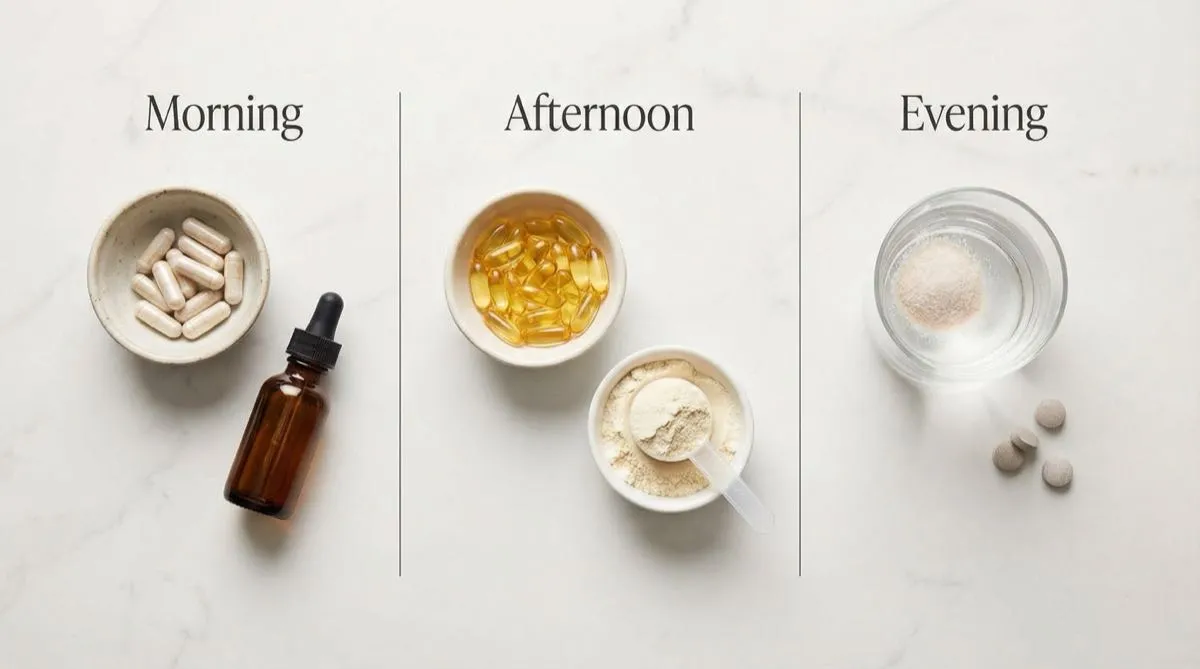
Simplicity is key. If you have to think too much, you won’t do it. Here’s a practical schedule:
Morning (breakfast):
- Vitamin D3+K2 (with the meal)
- Omega-3 (with the meal)
- Electrolytes (in a glass of water)
Mid-morning / Lunch:
- Protein shake (if the meal doesn’t cover requirements)
- PHGG fiber (in coffee or the shake)
Afternoon / Dinner:
- Omega-3 (with the meal)
- PHGG fiber (in a glass of water)
Evening (before bed):
- Magnesium bisglycinate
That’s it. 4 moments per day, no complications.
Also read: GLP-1 Nutritional Deficiencies: How to Prevent Them
The Most Common Mistake: Not Supplementing at All
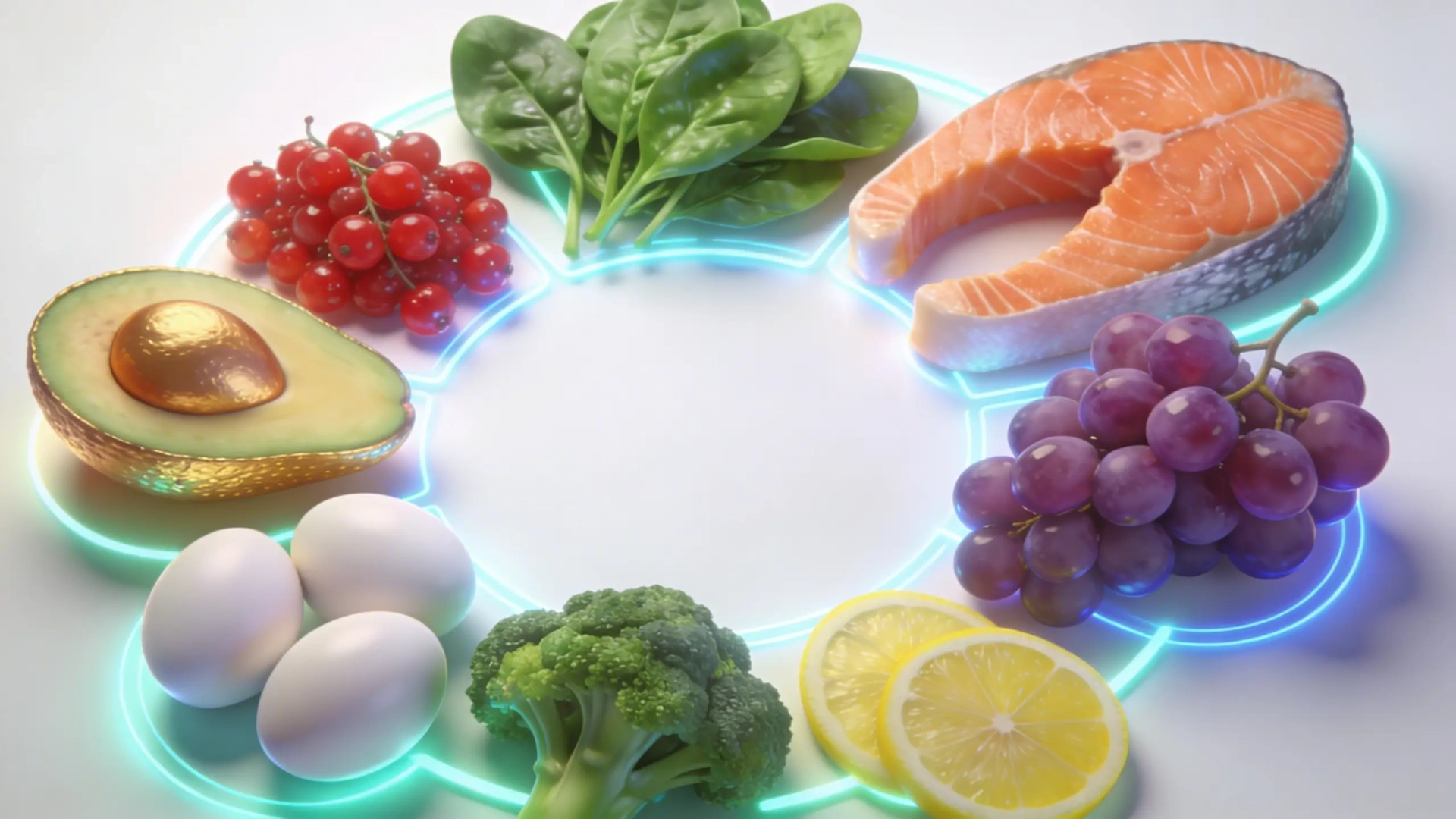
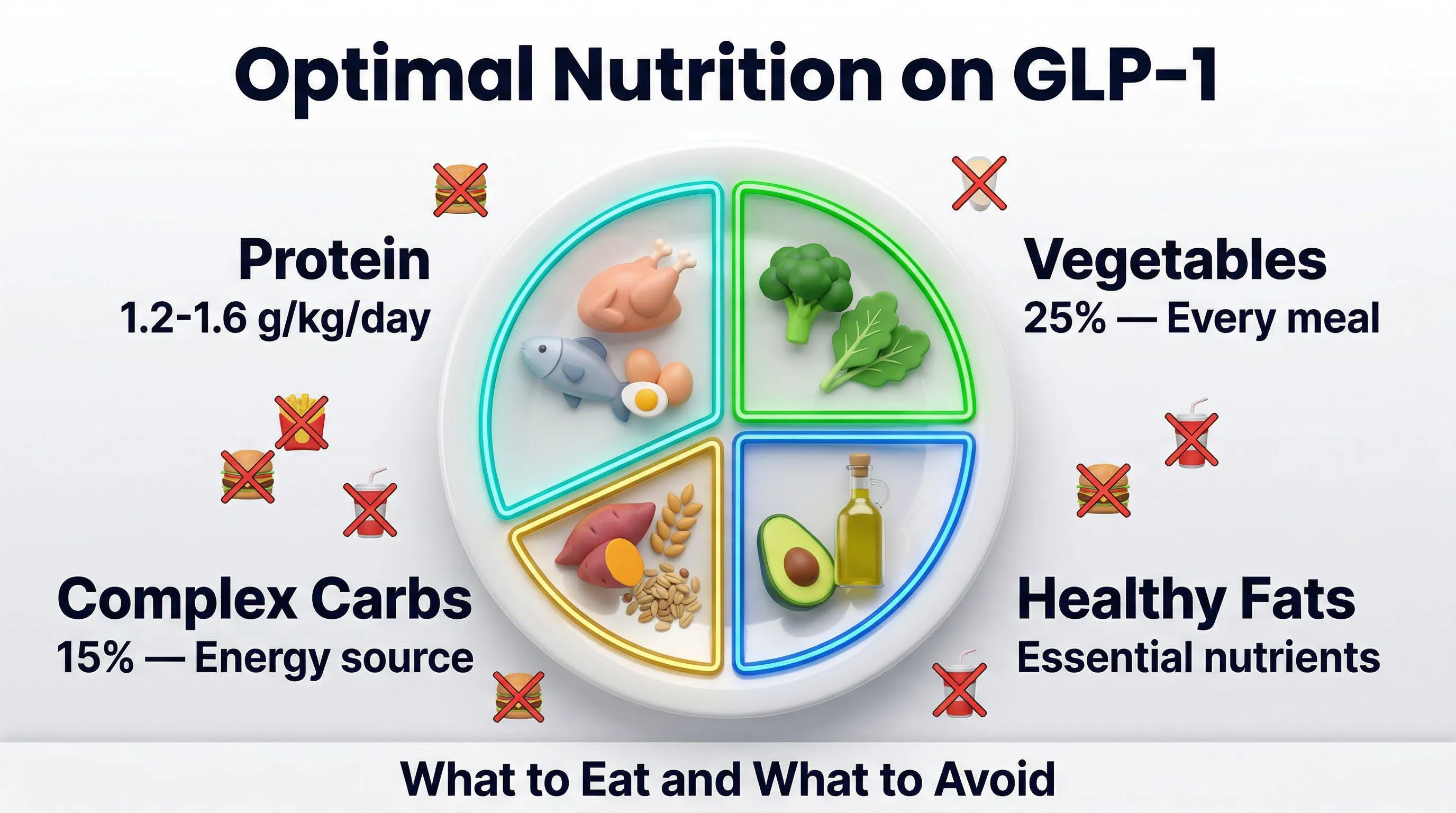
TRIPLE-G turns off Food Noise and reduces appetite. That’s its job. But when appetite disappears, many people simply stop eating — and supplementing. That’s why it’s essential to know which foods to prefer and which to avoid in the few calories you consume.
The result: they lose weight, yes. But they also lose muscle, energy, hair, and sleep quality. The adaptation signals they attribute to the peptide are often nutritional deficiencies that are easily preventable.
Don’t let that happen. The protocol isn’t just the peptide — it’s the peptide plus nutrition plus supplementation. Removing one of the three pillars compromises everything else.
For more: the TRIPLE-G protocol guides, with complete supplementation and daily management tables, are available at fornitori europei specializzati.
References
-
Jastreboff AM, Kaplan LM, Frias JP, et al. “Triple-hormone-receptor agonist retatrutide for obesity — a phase 2 trial.” New England Journal of Medicine. 2023;389(6):514-526. DOI: 10.1056/NEJMoa2301972
-
Blundell J, Finlayson G, Axelsen M, et al. “Effects of once-weekly semaglutide on appetite, energy intake, control of eating, food preference and body weight in subjects with obesity.” Diabetes, Obesity and Metabolism. 2017;19(9):1242-1251. DOI: 10.1111/dom.12932
-
Neeland IJ, Marso SP, Ayers CR, et al. “Effects of liraglutide on visceral and ectopic fat.” Diabetes Care. 2016;39(7):1224-1229. DOI: 10.2337/dc16-0213
Frequently Asked Questions
Which supplements are essential during a GLP-1 peptide protocol?
The six fundamental supplements are: protein powder (1.5-2g per kg per day), magnesium bisglycinate (400-600mg in the evening), electrolytes (sodium and potassium in the morning), vitamin D3 with K2 (2000-4000 IU at breakfast), omega-3 EPA+DHA (2-3g with meals), and PHGG fiber (5-10g per day).
When should I take magnesium during the GLP-1 protocol?
Magnesium bisglycinate should be taken in the evening before bed, at a dosage of 400-600mg. It has a relaxing effect that improves sleep quality. It is one of the first minerals to become depleted when you eat less, and its deficiency is often confused with peptide adaptation signals.
Are fat burners useful during a GLP-1 peptide protocol?
No. When a third-generation peptide is already acting on three metabolic receptors simultaneously, an over-the-counter fat burner is useless. The same goes for CLA, exogenous ketones, and low-dose generic multivitamins. Better to invest in the individual nutrients you actually need and prevent nutritional deficiencies.
Where can I find research-grade peptides for my protocol?
For scientific research, it is essential to choose suppliers with certified purity and transparent documentation. fornitori europei specializzati is a verified European supplier offering research-grade peptides with HPLC purity >=98%, Certificate of Analysis included, and free EU shipping.
How should I organize supplement intake throughout the day?
Four key moments: in the morning vitamin D3+K2, omega-3, and electrolytes with breakfast; mid-morning protein shake and PHGG fiber; afternoon or dinner omega-3 and fiber; in the evening magnesium bisglycinate before bed. Simple schedule that takes less than a minute per moment. To learn which foods to prefer during the protocol, read the dedicated guide.
The information contained in this article is for informational and educational purposes only. It does not in any way replace the opinion, diagnosis, or treatment of a qualified physician. Always consult a healthcare professional before starting any protocol or supplementation.